

Jade Walnuts: What Are They and Why Are They Trending on Social Media?
1. What Are Jade Walnuts?
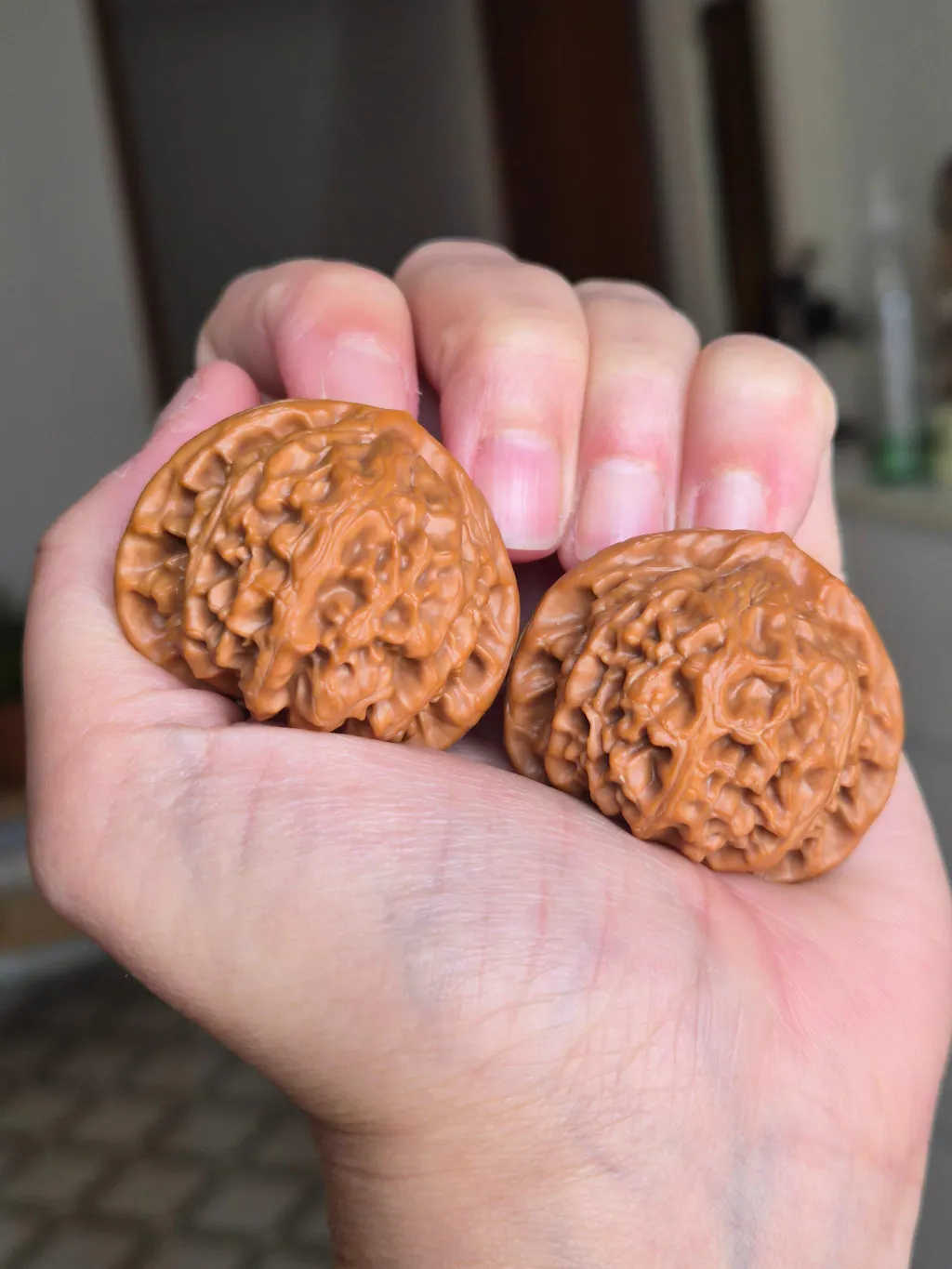
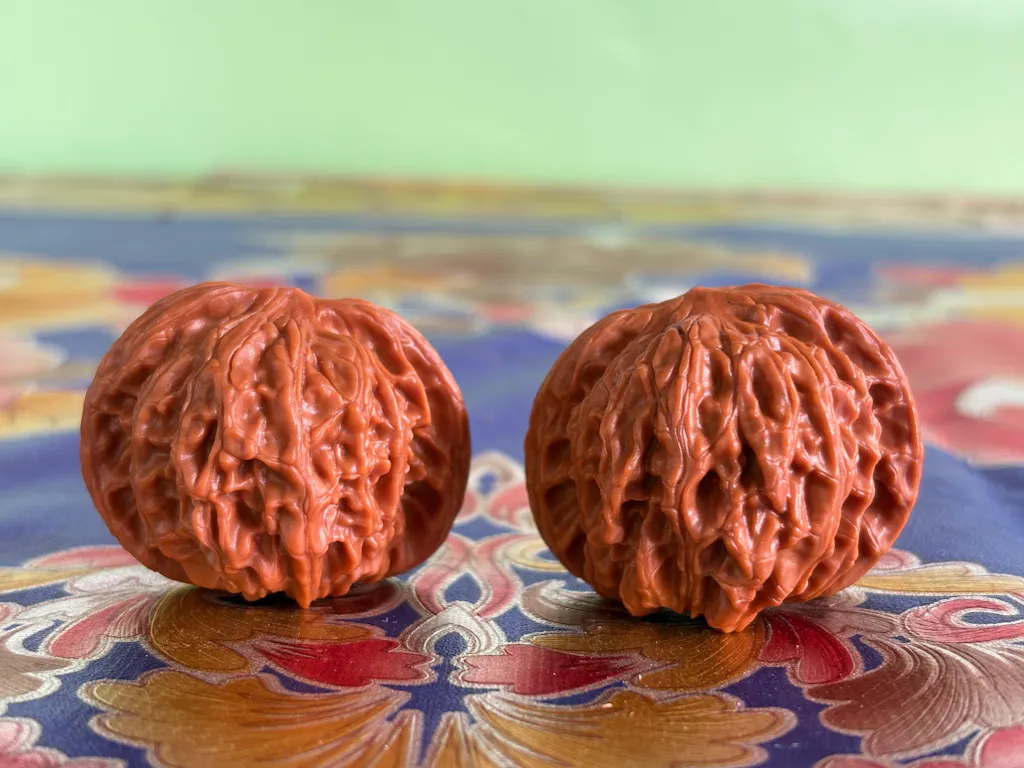
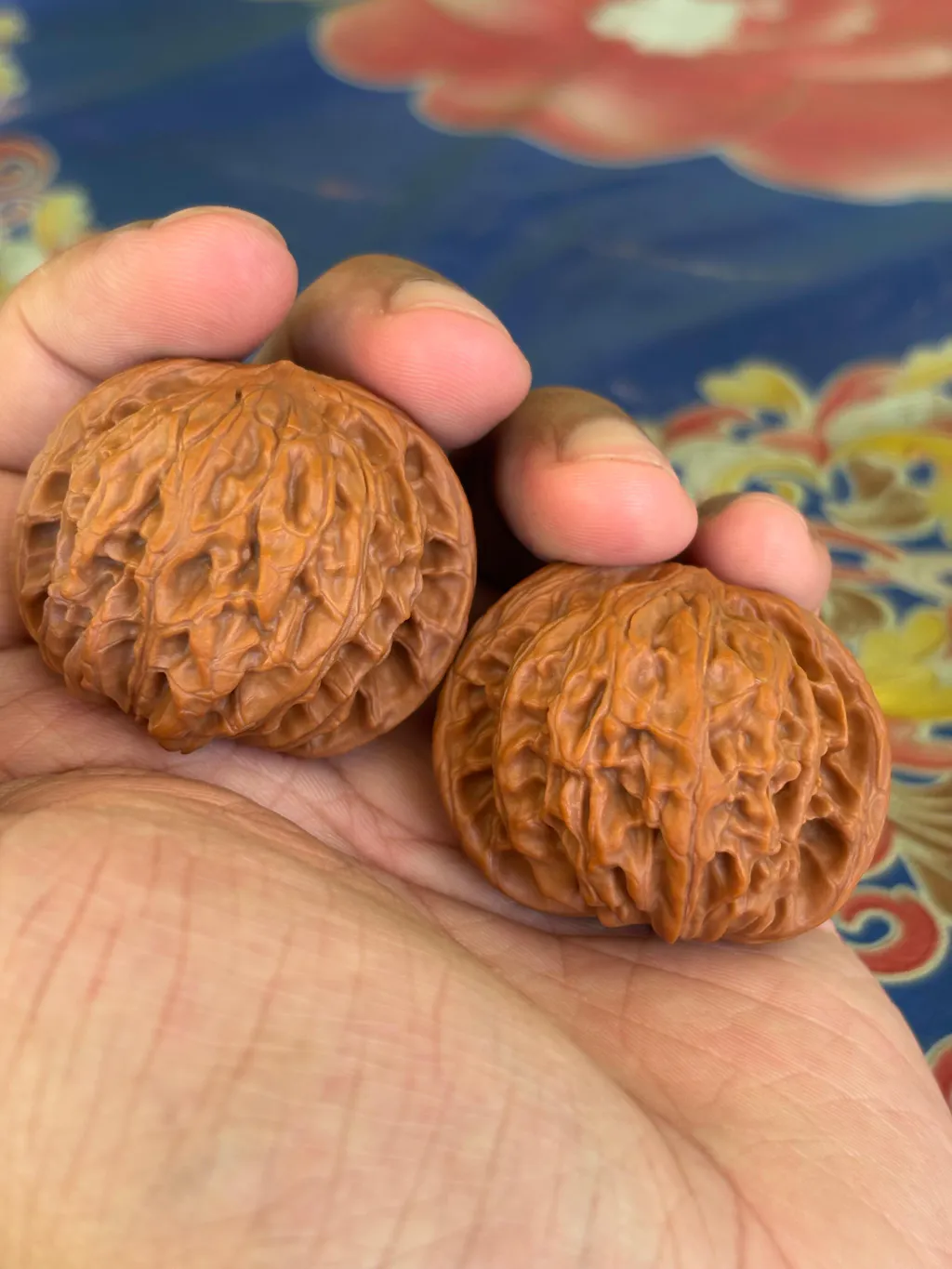
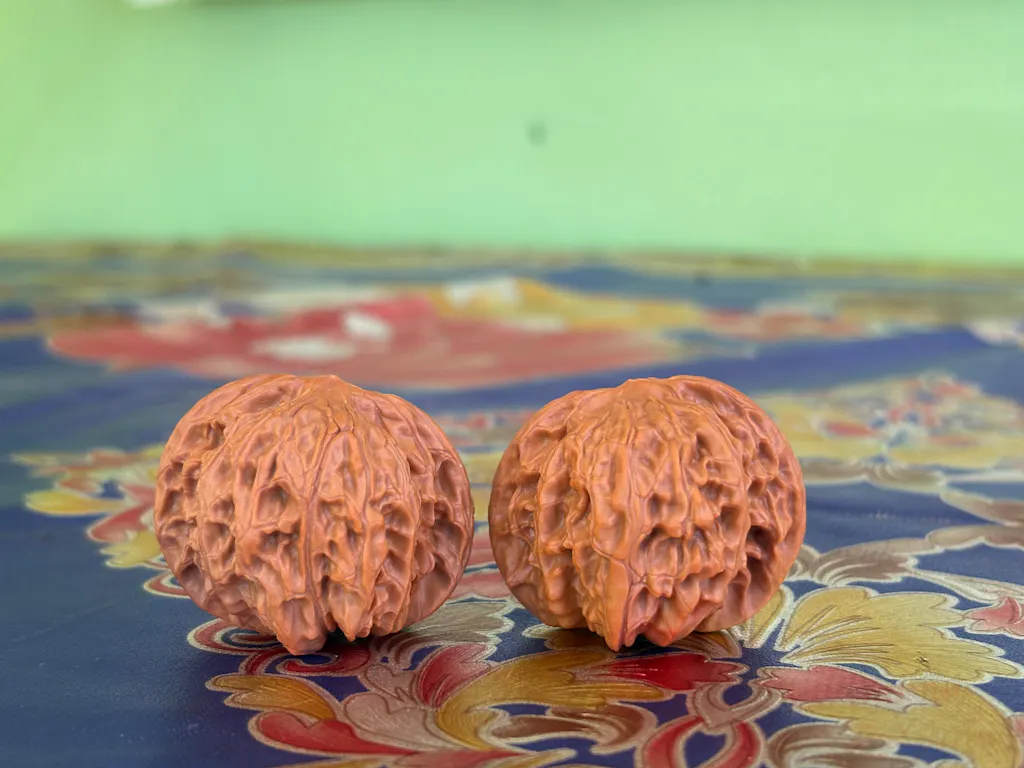
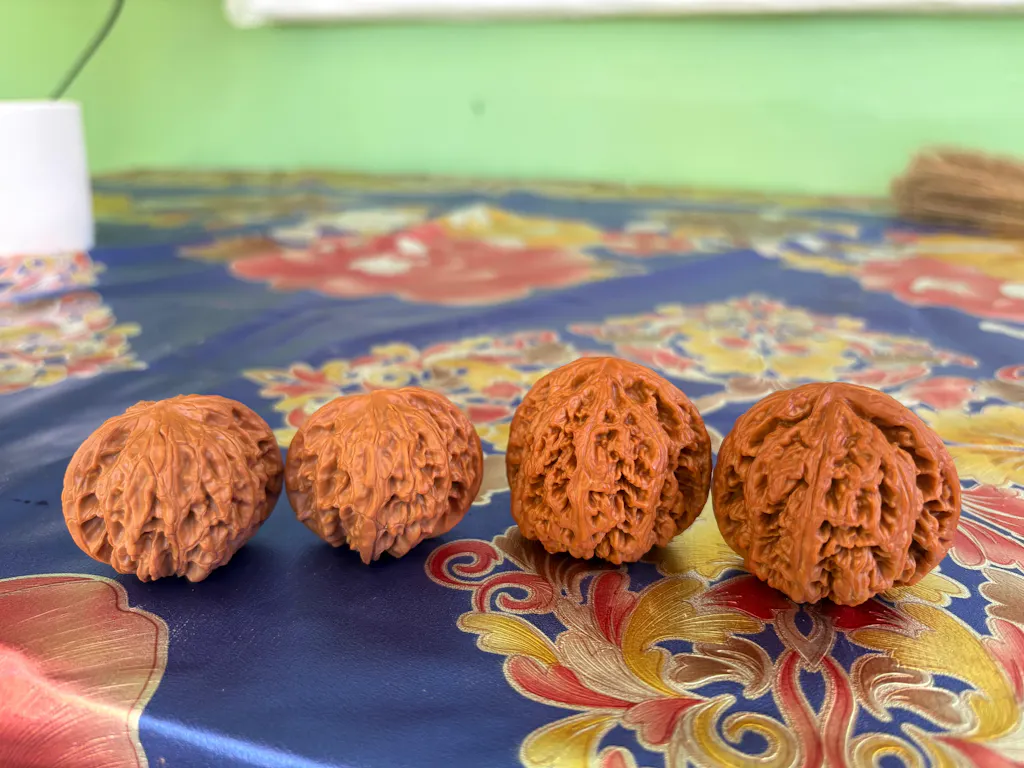
Jade walnuts is a term that appears in social media searches related to the TikTok trend turning walnuts into “jade”. It refers to videos and posts where people show walnuts gradually becoming smooth, glossy, and jade-like through long-term handling and polishing.
Despite the name, jade walnuts are not made of jade. They are natural walnuts that slowly change in appearance due to repeated touching, brushing, and exposure to air.
In most cases, what users call jade walnuts actually corresponds to a traditional Chinese practice known as wenwan walnuts.

2.Why Are Jade Walnuts Trending on Social Media?
The popularity of jade walnuts on social media is largely driven by visual appeal and viral storytelling, but the term itself is often misleading.
On platforms such as TikTok and Instagram, many videos show walnuts gradually becoming smooth, glossy, and jade-like through long-term handling. This has led some viewers to misunderstand the trend as walnuts physically turning into jade or a jade-like material. In reality, this is not the case.
The transformation shown in these videos is actually a natural surface change known in Chinese culture as patina development (包浆), which occurs through repeated touching, polishing, and exposure to air over time.
Another reason for the trend’s popularity is its simplicity and accessibility. Unlike complex hobbies, walnut handling requires no tools or special skills. People can easily hold them in daily life and observe slow, visible changes, which creates a calming and satisfying experience aligned with modern “slow living” and stress-relief trends.
In addition, many social media posts frame jade walnuts as part of an “ancient Chinese tradition,” which adds cultural mystery and increases shareability. However, this framing is often simplified for storytelling purposes and does not always reflect the full cultural context of wenwan walnuts.

3. Are Jade Walnuts Real Jade?
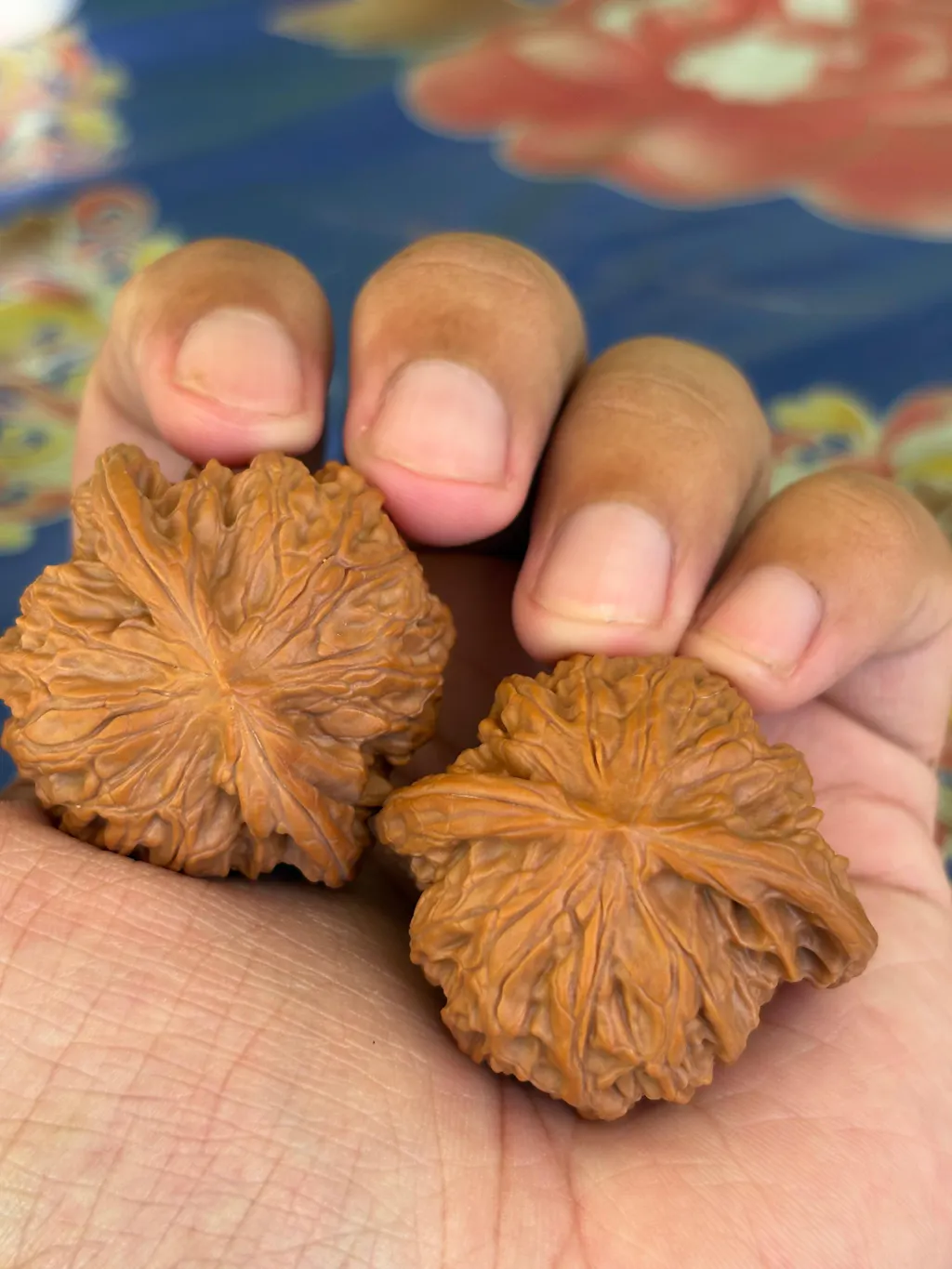
Despite the name, jade walnuts are not real jade or any type of gemstone. The term is a modern social media expression used to describe natural walnuts that develop a smooth, glossy, jade-like appearance over time. The similarity is purely visual, not material.
In fact, jade walnuts are simply wenwan walnuts (文玩核桃), which are organic materials that change gradually through long-term handling, exposure to air, and natural oxidation.
Their jade-like appearance comes from natural surface processes such as oil absorption from human hands, slow oxidation, and repeated polishing through daily handling. The internal structure of the walnut does not change.
In simple terms, jade walnuts do not turn into jade—they only develop a jade-like surface effect over time.
However, not all online images or videos reflect this natural process. Some social media content or newly launched websites may show walnuts with an unusually fast or highly glossy appearance, which can be influenced by lighting, editing, or mechanical polishing.
In traditional wenwan practice, a natural patina typically requires at least 1 to 2 years of consistent handling to become noticeable. Faster results usually indicate enhanced or artificial finishing rather than long-term natural development.
For beginners, it is important to distinguish between natural patina development and visually enhanced or accelerated presentation when evaluating jade walnuts online.

4. How Do Wenwan Walnuts Become “Jade-Like”?
The jade-like transformation of wenwan walnuts is the result of a long-term interaction between human touch and natural organic materials.
When walnuts are handled regularly, natural oils, sweat, and moisture from the human hand gradually penetrate the microscopic pores of the walnut shell. These substances typically contain water, fatty acids, urea, and trace minerals. Over time, they fill tiny surface gaps, increasing density and reducing light scattering. As a result, the surface becomes progressively smoother, more translucent, and more lustrous—laying the foundation for what is known as patina, and ultimately the highly sought-after appearance of jade-like walnuts.
At the same time, the walnut shell itself slowly undergoes oxidation when exposed to air. This natural chemical process deepens the color, gradually shifting it from a pale raw tone to richer, warmer shades. Meanwhile, continuous friction from daily handling acts as a form of ultra-fine natural polishing, smoothing microscopic irregularities and enhancing the walnut’s ability to reflect light.
Over time, these physical and chemical processes work together, and the walnut goes through several recognizable stages of transformation:
Stage 1: Priming (白茬,Base Preparation)
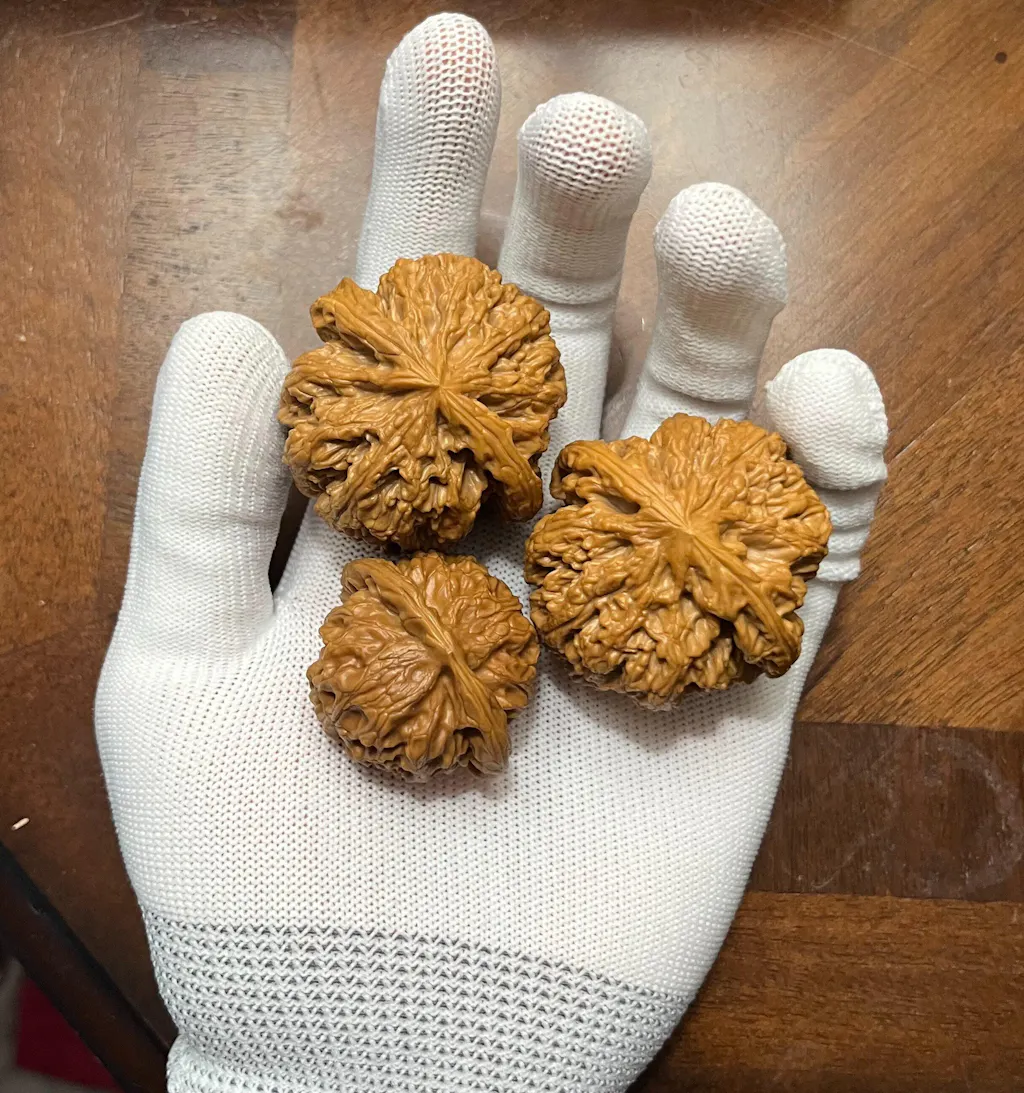
This is the foundational stage where raw walnuts are carefully cleaned and brushed to remove the natural white alkali layer on the surface. This initial “priming” process reveals the walnut’s base tone, usually a light yellow or pale brown, and brings out a subtle early luster. It also prepares the surface for more even oxidation and long-term patina development.
Stage 2: Glazing (挂瓷,Surface Refinement)
With consistent handling and brushing, the surface gradually becomes smoother and more reflective. This stage is often referred to by enthusiasts as “gua ci” (surface glazing). It is an important transitional phase where the walnuts begin to develop a soft sheen and improved surface uniformity. Many experienced players prefer using a fine or nano brush at this stage to clean deep grooves and maintain even texture.
Stage 3: Patina Formation (包浆,Color Development)
This is the most crucial stage, where the signature patina (baojiang) begins to form. Through repeated interaction with natural oils, sweat, and controlled brushing, the walnut’s surface slowly deepens in color—from golden yellow to warm brown, and eventually richer reddish tones.
A widely shared guideline among collectors is the “70% brushing, 30% handling” rule. Brushing helps distribute oils evenly and prevents uneven dark patches, especially in deeper textures. Without proper care, the color may become overly dark or uneven, sometimes described as a “soy sauce” tone rather than a warm, rich red.
Stage 4: Jade-like Finish (玉化,Yu Hua Transformation)
After long-term care and consistent polishing, some walnuts reach the most desirable stage known as “Yu Hua” (jade transformation). At this point, the surface becomes highly polished, smooth, and almost translucent under light.
The walnuts develop a deep, even reddish glow with a glass-like reflection, often referred to as a “glass-bottom” effect. This stage is considered the ultimate expression of wenwan walnut artistry and is highly valued among collectors, especially in the context of the rising social media trend around jade-like walnuts.

5.Which Materials Can Develop a Jade-Like Patina?
Not all wenwan materials can achieve a true jade-like transformation. In general, dense and oil-rich organic materials are more suitable for long-term patina development.
Seed-Based Materials
Such as Rudraksha beads, Star Moon Bodhi, Phoenix Eye Bodhi, and wenwan walnuts. These materials naturally contain oils and have compact internal structures, making them ideal for gradual patina formation.
Bone and Horn Materials
Such as yak bone, camel bone, and deer antler. Their main composition includes calcium phosphate and protein. With time and handling, they can develop a smooth, jade-like sheen similar to polished white jade.
Hardwood Materials
Such as red sandalwood, Huanghuali, and Golden Nanmu. Natural oils inside the wood slowly emerge through long-term handling, forming a deep, glossy, glass-like patina layer.
Amber, Beeswax, and Coral
These are organic gemstones that already possess natural warmth and translucency. Regular handling enhances their surface depth and luster, making them even more visually refined.
6.Cultural Meaning of Jade-Like Transformation in Wenwan Culture
The concept of jade-like transformation goes far beyond physical appearance and reflects a deeper Chinese philosophical idea of character cultivation rooted in Confucian thought.
In Chinese tradition, jade symbolizes virtues such as kindness, integrity, wisdom, courage, and purity. This is why the well-known phrase “谦谦君子,温润如玉” describes an ideal gentleman as gentle and refined like jade—calm, restrained, and quietly strong rather than loud or aggressive. In this cultural sense, the appreciation of jade-like walnuts is not only about visual beauty, but also about what jade represents on a moral and emotional level.
In Confucian philosophy, a true gentleman (君子, Junzi) is defined not by outward success, but by inner stability and self-discipline. Historical scholars were admired for their composure, restraint, and consistency in behavior. Their strength came from patience and control rather than force or display. This same quality is what jade embodies: quiet endurance shaped gradually over time.
Wenwan practice makes this philosophy tangible. A pair of walnuts slowly transforms through years of handling, brushing, and care. Over time, the surface becomes smoother, warmer, and more refined, eventually resembling jade in both texture and presence. Many collectors see this process as a form of self-cultivation, where both the object and the person are subtly shaped through repetition, time, and attention.
True jade-like transformation cannot be rushed. It requires patience over years, sometimes even decades. Each matured piece becomes a quiet record of time, care, and emotional continuity, turning jade-like walnuts into more than collectibles—they become personal companions that carry traces of their owner’s life.
In the end, wenwan aesthetics value not instant perfection, but the slow refinement created through time, touch, and human presence.

Final thoughts
Jade walnuts are not jade—they are natural wenwan walnuts that gradually develop a smooth, warm, jade-like surface through time, touch, and oxidation. What we often admire is not a material change, but a slow visual transformation shaped by long-term care.
And perhaps that’s also what makes them interesting. In a world that values instant results, this kind of slow development feels almost unusual.
Have you ever seen a pair of jade walnuts in person, or followed their transformation over time? The difference between “new” and “mature” is often more subtle—and more fascinating—than it first appears.
FAQs
1.Are jade walnuts real?
No. “Jade walnuts” are not real jade. They are natural wenwan walnuts that develop a smooth, glossy, jade-like appearance over time through handling, brushing, and oxidation.
2.Do walnuts actually turn into jade?
No. Walnuts do not turn into jade in any way. Their material stays the same, and only the surface develops a patina that creates a jade-like visual effect.
3.What creates the jade-like appearance on walnuts?
The shine comes from long-term handling, natural oils, oxidation, and friction. These processes slowly build a patina, giving the surface a smooth, warm, jade-like look.
4.How long does it take to develop a jade-like patina?
It usually takes years of consistent care and handling. The process is gradual, and results depend on frequency of play, technique, and the quality of the walnuts.
5.How can you tell if walnuts are naturally jade-like or artificially processed?
Naturally jade-like walnuts show a gradual, layered shine with uneven depth in color and texture, especially in grooves and edges. Artificially processed ones often look overly uniform, overly glossy, or “plastic-like,” with a surface that feels too smooth or waxy. In short, natural patina develops slowly over time, while artificial finishing creates an immediate but less nuanced shine.
Related articles:
A Beginner’s Guide to Wenwan Walnuts: History, Meaning, and How to Choose a Pair
Wenwan Walnut Polishing Guide: How to Get the Perfect Red Patina
How to Choose Wenwan Walnut Brush for Beginners?
Three Key Questions and Five Ultimate Brushing Techniques for Wenwan Walnuts