

Best Wenwan Items for Beginners to Play and Practice
Introduction
Wenwan is a deeply personal hobby driven by your own tastes and a special connection with each piece. Beginners often admire others’ perfect collections and think, "I want that!" or "How hard can it be?" But it’s not always that simple.
Many jump in excited, only to quickly lose interest. Wenwan is about patience, consistency, and practice, not just passion. For newcomers, I recommend starting with affordable, easy-to-handle pieces that are fun to play with. This way, you can enjoy the hobby without overspending. In this article, I’ll share a few great options for beginners.

Why Choosing the Right Wenwan Is Crucial for Beginners
Choosing the right Wenwan pieces is especially important for beginners because it lays the foundation for a positive and enjoyable experience. Wenwan is not just about owning beautiful objects – it’s about building a connection with them, learning the process, and developing a true appreciation over time. Starting with the wrong pieces can make the learning curve steeper and even discourage newcomers.
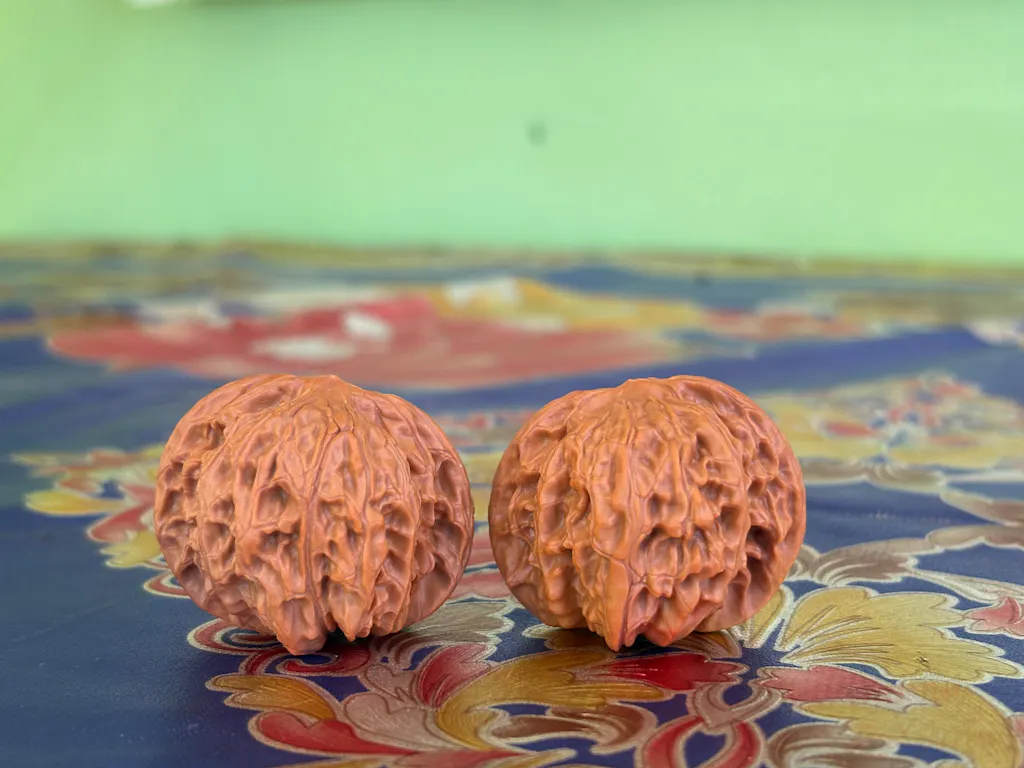
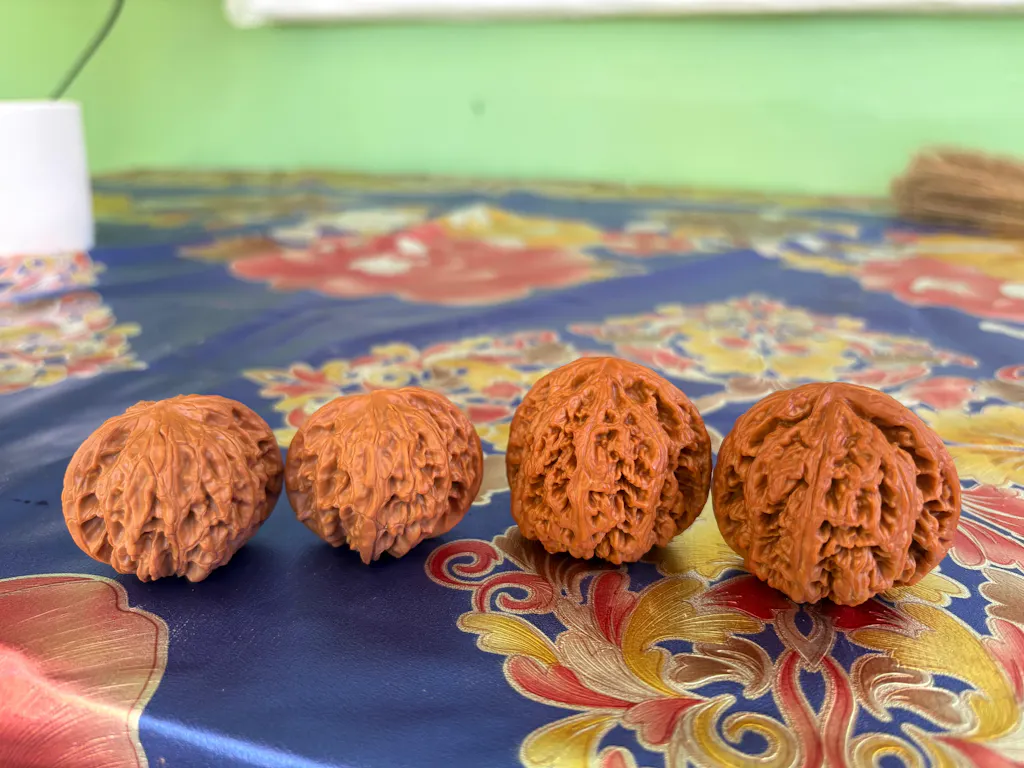
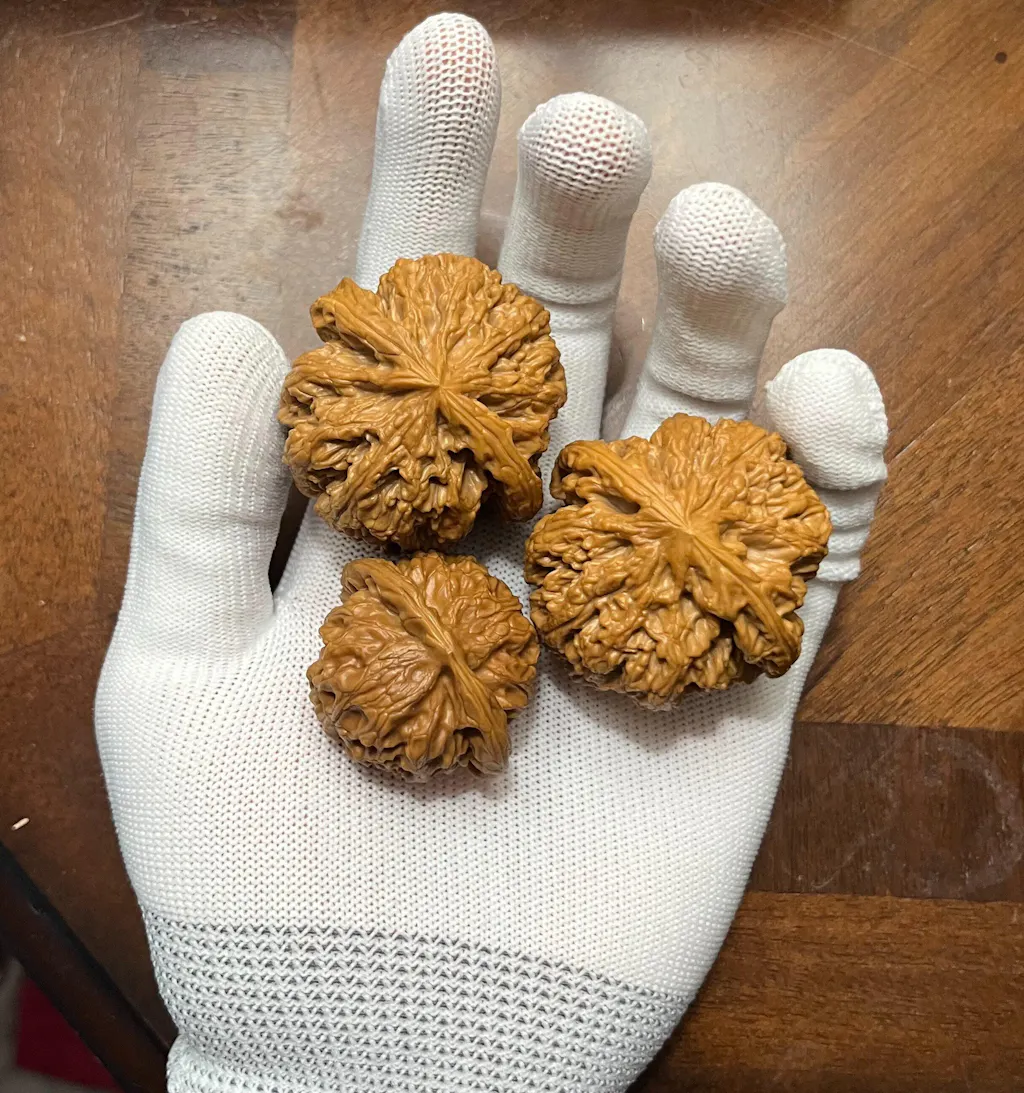
For example, some Wenwan items, like very rare or highly intricate pieces, might look impressive but can be hard to handle, clean, or maintain. A beginner may feel overwhelmed by the complexity or the fear of damaging such valuable items. On the other hand, a simple, easy-to-play piece like a smooth, well-rounded walnut or a sturdy, natural stone can provide a more enjoyable experience. These pieces are forgiving and allow the beginner to get a feel for the practice without feeling pressured.
Moreover, some materials or designs are better suited for handling and can improve with regular practice. A piece that’s easy to grip and doesn’t require intense care can make all the difference when you're starting out. For instance, a classic walnut with a smooth texture might help a beginner develop the necessary hand strength and technique, whereas a more delicate, ornate piece might require extra caution and could lead to frustration.
Ultimately, choosing the right piece sets the stage for success, making it easier for beginners to practice, learn, and eventually build up their collection with confidence.
1.Bodhi Root
Bodhi root, often referred to as “Bodhi seed,” is a popular material among Wenwan enthusiasts, known for its unique appearance and smooth handling. It comes from the seed of the Betel Palm tree, native to tropical regions like India, Malaysia, and Sri Lanka. With a history of cultivation dating back over 700 years, Bodhi root has gained significant appreciation in Chinese culture. The material's natural look and subtle transformation over time make it an appealing choice for beginners to dive into the world of Wenwan. Bodhi bracelets made from this material are especially favored for their spiritual symbolism and everyday wearability.
Why Bodhi Root is Perfect for Beginners
For newcomers, Bodhi root offers an ideal entry point into the hobby of Wenwan. Here’s why:
-
Easy to Handle and Maintain
Bodhi root is relatively simple to work with, making it perfect for beginners. The process involves cleaning the surface, polishing, and then gradually playing with it. Unlike more intricate materials, Bodhi root requires minimal maintenance and is forgiving during the learning process. -
Affordable and Accessible
Compared to other Wenwan materials, Bodhi root is quite affordable. This allows beginners to start without a significant financial commitment while still enjoying a satisfying and rewarding experience. The price varies based on size and quality, but overall, it offers good value for money. -
Natural Aging Process
As you continue to handle Bodhi root, the material undergoes a natural transformation. The surface slowly gains a glossy patina over time, and minor cracks or color changes add to its beauty. This gradual process is both rewarding and encouraging for beginners, as it shows visible progress through consistent care.

2.Purple Gold Rat
The Purple Gold Rat is the fruit of a palm tree, and it’s known for being easy to handle, making it a great choice for both beginners and those looking for a long-term hobby. The handling process is simple—just clean your hands before playing with it, and no oil or brushing is required. Occasionally cleaning with gloves is sufficient. The color develops quickly, with noticeable changes occurring in about three months. Since the production of Purple Gold Rat is not rare and counterfeit products are few, the chances of being misled as a beginner are minimal.
Important Tips for Handling Purple Gold Rat
The Purple Gold Rat is incredibly durable. It’s resistant to oil and sweat, making it perfect for those who prefer a low-maintenance hobby. You can confidently handle it with clean hands, but it’s important to avoid contact with excessive sweat, as it can affect the gloss and color change. The material ages quickly, which means it can be worn daily as an accessory, and it carries a positive symbolic meaning—wealth and prosperity.
However, you should avoid getting it wet. If you plan to store it for an extended period, it’s best to take it out and play with it occasionally to maintain dryness. Also, avoid exposing it to direct sunlight or keeping it in a damp environment for too long.
How to Handle and Play with Purple Gold Rat
Base Layer (3-7 days)
Purple Gold Rat has a high oil content, so you can play with it either with clean hands or gloves. Using gloves helps speed up the process of making it shine.
Color Change (1-3 months)
Start by handling it with clean hands, rubbing each bead gently to ensure the color changes evenly. Alternate using gloves to clean and polish it. The color change will happen quickly, and you’ll see progress in no time, which is very satisfying.
Jade-like Finish (3+ months)
After a period of handling, you can seal the beads and let them rest for a few days to speed up the formation of the patina. Once the patina has developed, the original brown lines will disappear, and the beads will take on a deep, reddish-purple color with a translucent, glass-like finish, similar to jade.

3.Baixiang Seed
Baixiang seeds come from the fruit of the cypress-like Boswellia tree, originally from India and now mainly found in regions such as Yunnan, Tibetan areas, Gansu, and Qinghai in China. They are often seen around temples and have long been associated with Buddhist culture. Both the leaves and fruits have medicinal value, and the seeds are commonly used for prayer beads and spiritual practices, making them a meaningful and beginner-friendly choice in Wenwan.
5 Common Beginner Mistakes to Avoid
-
Applying oil
Using olive oil or walnut oil to speed up coloring will ruin the seeds:
- Causes dark, dull, oily patina that cannot be fixed
- Oil buildup in textures can lead to mold
👉 Always rely on the seed’s natural oils, never add external oil
-
Playing with sweaty hands
Excess sweat can soak into the seeds and cause:
- Uneven coloring
- Sticky surface and cloudy patina
👉 If you sweat a lot, start with cotton gloves, then switch to clean hands later
-
Over-brushing or harsh cleaning
Using hard brushes or electric tools damages the surface and texture
👉 Only use a soft bristle brush to gently remove dust -
No resting time (only playing, no curing)
Constant handling prevents proper oxidation and patina formation
👉 Follow a “play 3, rest 7” rhythm to allow the surface to stabilize -
Poor protection during wear
Contact with water, sweat, or chemicals (like perfume) can cause cracking or fading
👉 Store in a sealed bag when not in use and keep away from moisture
Proper Conditioning Process
Stage 1: Base Building (7–15 days)
- Use cotton gloves
- Play for about 30 minutes daily
- Goal: clean and lightly polish the surface
- Avoid bare hands and oil
Stage 2: Initial Patina (1–3 months)
- Use clean, dry hands + soft brush
- Play for 20 minutes, then rest for 3–7 days
- Goal: build an even, smooth patina
Stage 3: Jade-like Finish (3+ months)
- Reduce handling frequency
- Play occasionally and allow longer resting time
- Result: translucent, rich color with a glossy finish
Beginner Tip
For beginners, longer bead strands are recommended. Single bracelets are harder to condition and cannot be worn as a necklace. Wearing a long strand around the neck can actually help speed up the color transformation process.

4.Coconut Shell
What is Coconut Shell (Yedi)?
Coconut shell (Yedi) is a part of the coconut, specifically the section that connects the fruit to the tree. Each coconut produces only one Yedi, making it a unique and limited material.
Characteristics of Coconut Shell (Yedi)
Since each coconut has only one Yedi, it is relatively rare. This part is where the coconut absorbs nutrients during growth, resulting in a dense texture and naturally high oil content. Due to natural growth limitations, the diameter is usually under 8mm. The price mainly depends on size and quality — larger pieces are much rarer and therefore more expensive.
Advantages of Coconut Shell Bracelets (Yedi)
1. Durable & Eco-Friendly 🌿
Made from a natural plant material, Yedi is hard and long-lasting. It involves no harm to animals and does not negatively impact the environment.
2. Minimalist & Versatile ✨
With its simple and classic look, it pairs easily with other beads and accessories, making it highly versatile for different styles.
3. Affordable & Authentic 💰
Yedi bracelets are budget-friendly and less likely to be faked, so you can buy with confidence.
4. Easy to Maintain 🧵
Low maintenance and beginner-friendly. It doesn’t fear sweat in summer or feel cold in winter, and can be handled year-round.
5. Natural Aesthetic 🍃
As a natural material, Yedi may have small spots or light streaks on the surface, giving it a raw, organic feel that perfectly matches a forest-inspired, back-to-nature style.

5.Monkey Head Walnuts
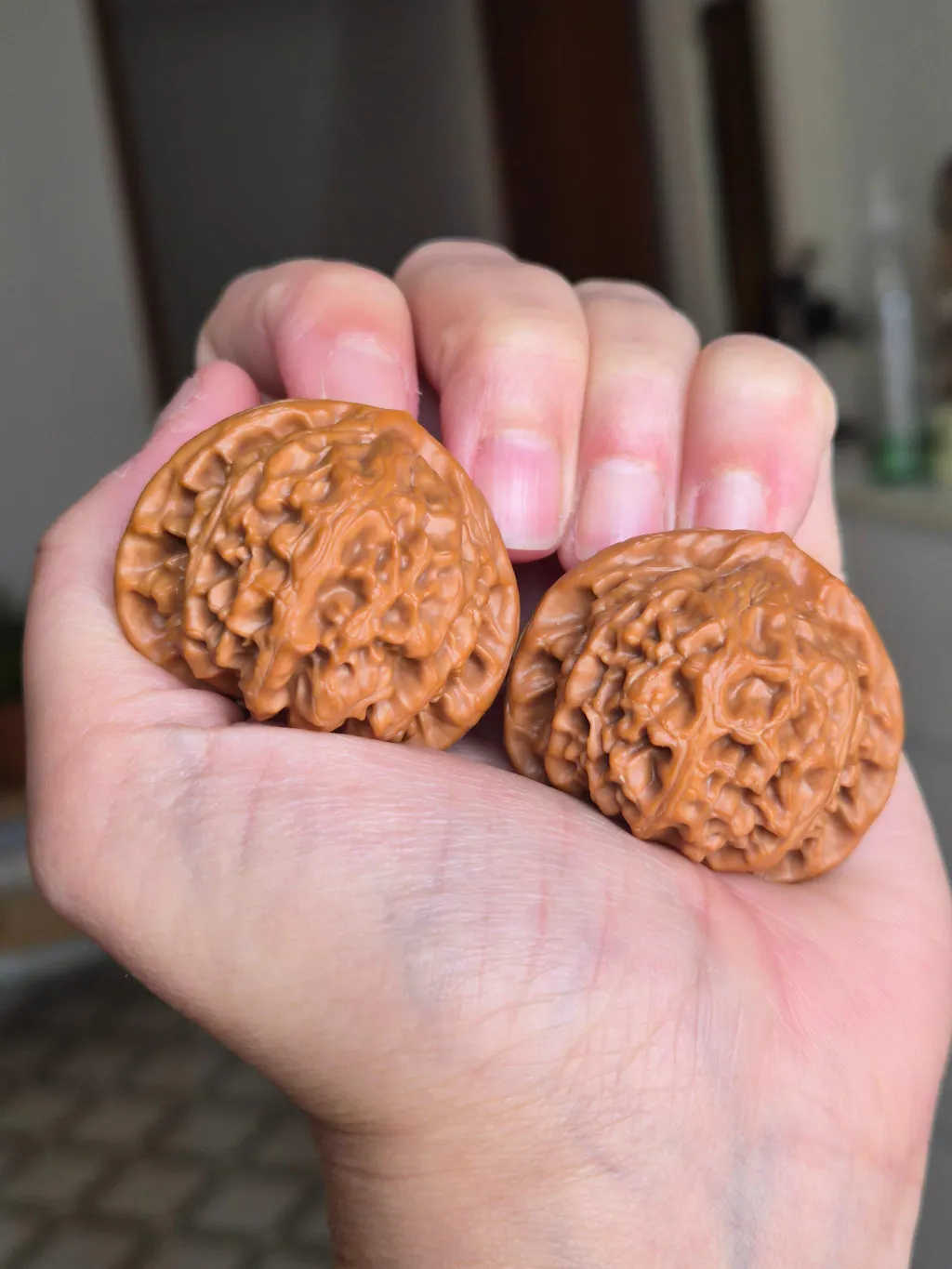
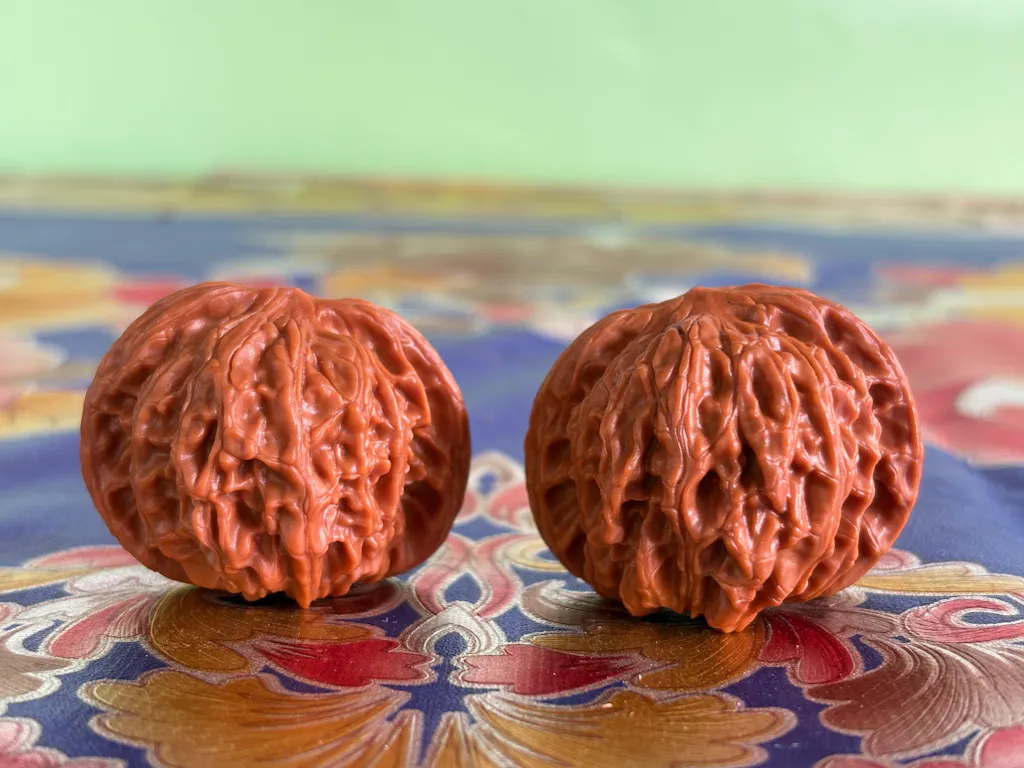
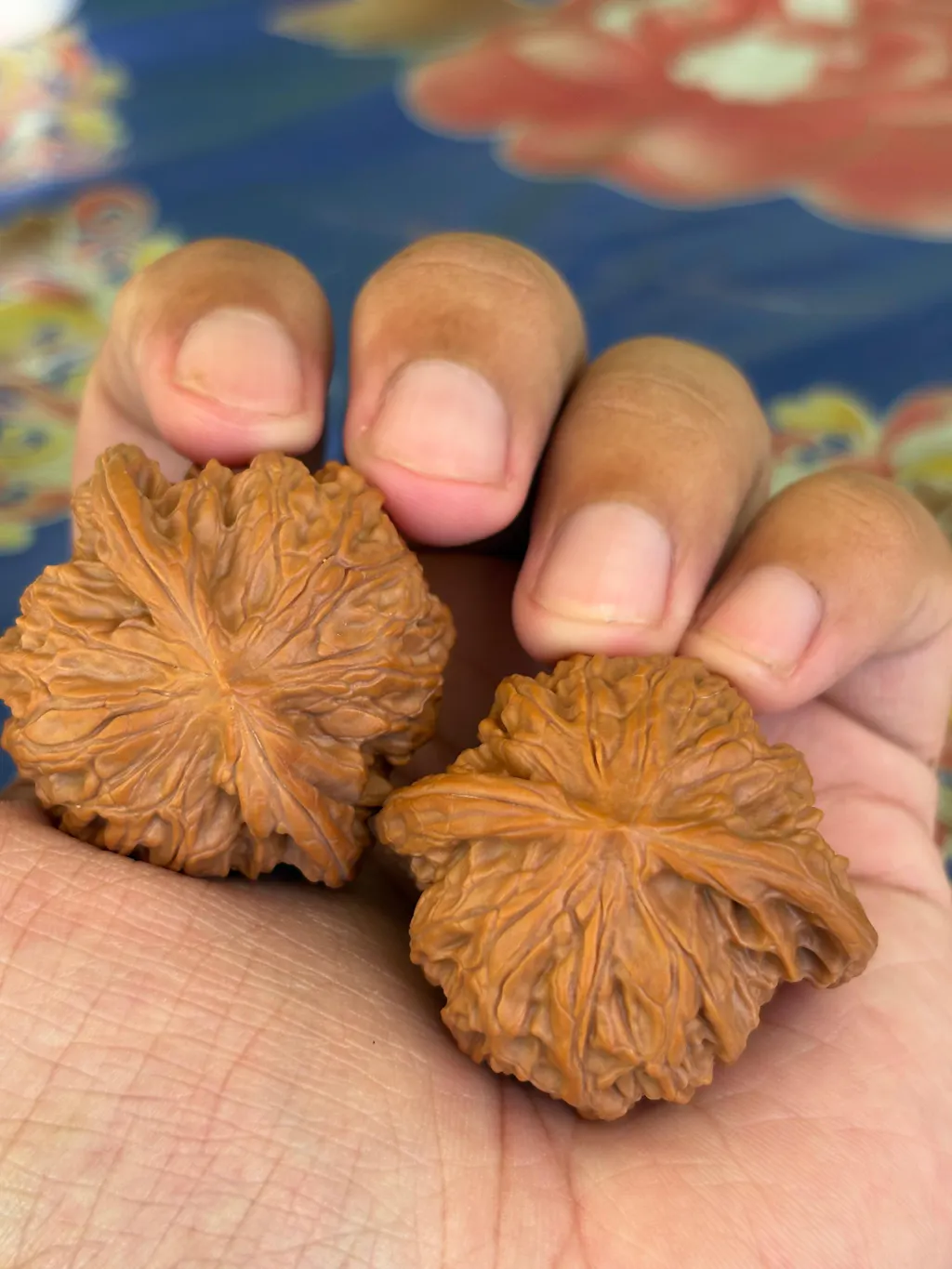
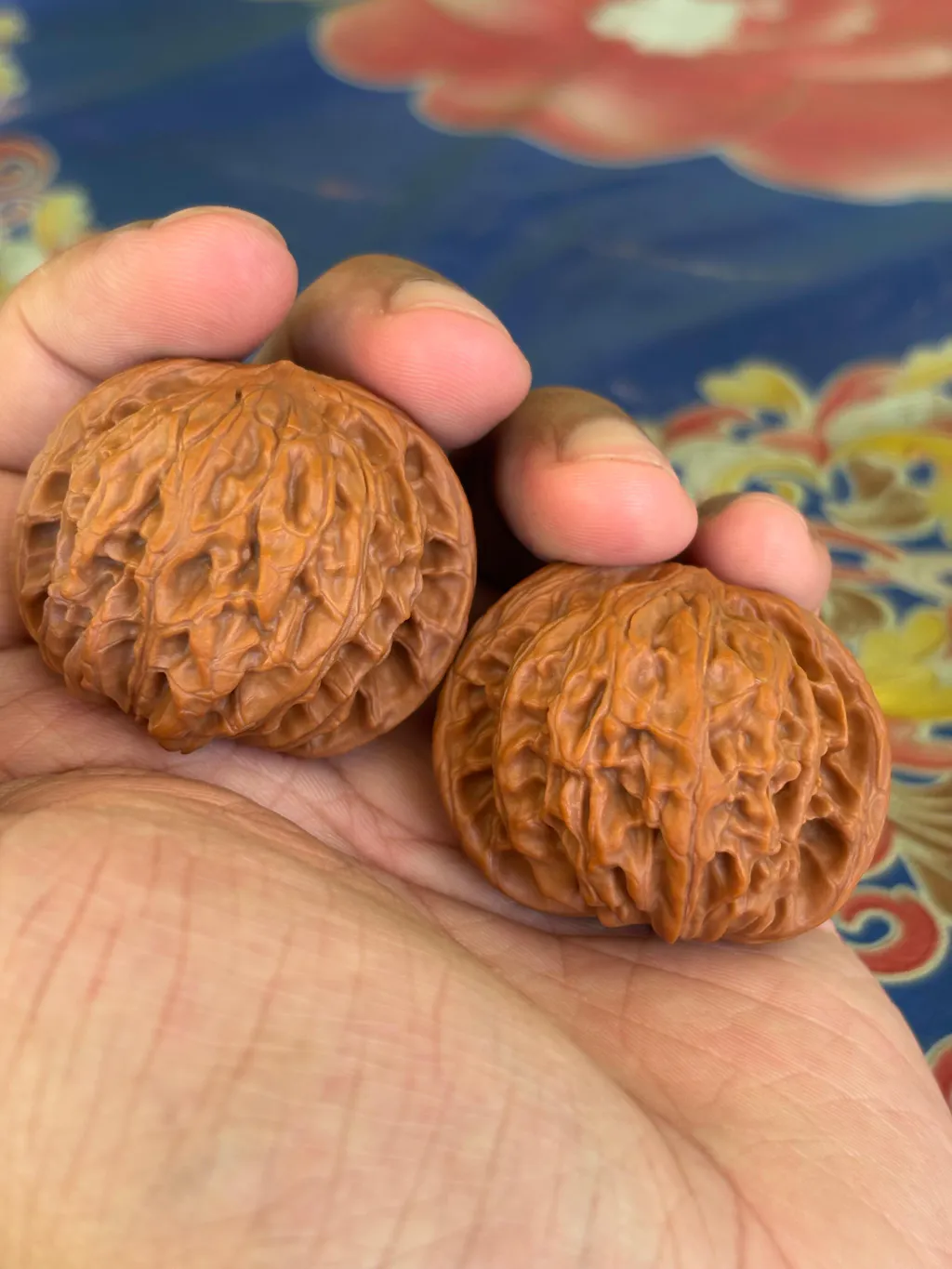
Monkey head walnuts are essentially a type of walnut native to North America, commonly known as black walnuts, mainly found in the eastern United States. The name “Monkey Head” comes from the appearance of the shell after the green husk is removed — the surface is covered with hair-like textures resembling monkey fur, and one end is slightly pointed, making the overall shape look like a monkey’s head.
Features & Advantages
1. Excellent Texture & High Oil Content
This is the biggest advantage of monkey head walnuts. The shell is hard, dense, and fine-textured, with rich natural oils. This allows them to develop color and patina quickly, giving beginners a strong sense of progress. Over time, they achieve a warm reddish tone with a smooth, jade-like finish.
2. Diverse Patterns & Styles
Depending on how the raw walnut is cut and polished, a wide variety of shapes and textures can be created, offering plenty of choices to match different aesthetic preferences.
3. Affordable & Beginner-Friendly
With relatively high production and accessible pricing, monkey head walnuts are perfect for beginners to start practicing and for everyday play.
4. Durable & Crack-Resistant
Compared to more delicate Wenwan materials, they are more adaptable to different climates and easier to maintain. Under normal conditions, they are less likely to crack.
5. Ideal for Carving
With a moderate size and regular shape, monkey head walnuts are well-suited for various carving designs and artistic customization.

6.Small Rudraksha
Small Rudraksha beads are tiny natural seeds commonly used for making malas and bracelets. They are usually lightweight and comfortable to wear, making them ideal for daily use. Because of their small size, they are often strung into 108-bead prayer malas or compact wrist bracelets. They are especially popular among beginners due to their ease of handling and versatility.
1. Choosing a Good Strand: 3 Key Factors
Density
High-density beads develop a clear, glossy patina and rich color. Low-density ones may turn dull or crack.
- Heavier beads (same size) = higher density
- Scratch test: no marks = good quality
- Don’t assume more facets = better. High-density 5–6 mukhi is better than low-density 7–8 mukhi
Texture (Go for “Meaty” Pattern)
- Meaty texture: full, even grooves, easier to polish and color
- Dry/broken texture: rough, uneven, collects dirt easily, not beginner-friendly
Uniformity
- Beads should be consistent in size
- Drill holes must be centered
- Misaligned beads lead to uneven wear and poor patina
2. Playing (Conditioning): 2 Key Stages
Base Stage (First 1–2 Months)
Goal: clean and build initial surface
- Use dry hands or cotton gloves
- Rub daily (1–2 hours at start)
- Brush grooves with a stiff bristle brush (10 min/day)
- Avoid water and sweat completely
Patina Stage (After 2 Months)
Goal: develop smooth, natural shine
- Use clean, dry hands
- Play ~30 minutes each time
- Brush lightly after playing
- Avoid oils, lotions, or artificial treatments
3. Care Tips: One Core Rule
Keep it dry and natural
- Store in a sealed bag or box, away from moisture and sunlight
- Clean with a dry brush; if needed, wipe lightly with a damp cloth and dry immediately
- Optional: very small amount of oil once a month, applied lightly and evenly

🌿 Beginner-Friendly Wenwan Materials Comparison Table
| Material | Price Level | Patina Speed | Ease of Use | Durability | Best For |
|---|---|---|---|---|---|
| Baixiang Seed(百香籽) | Medium | ⭐⭐⭐⭐⭐ (Fastest) | ⭐⭐⭐⭐⭐ | ⭐⭐⭐⭐ | Busy / lazy beginners, fast color change, wearable long strand |
| Bodhi Root(菩提根) | Low–Medium | ⭐⭐⭐⭐⭐ | ⭐⭐⭐⭐ | ⭐⭐⭐ | Color variation lovers, cute / playful aesthetic |
| Purple Gold Rat(紫金鼠) | Medium | ⭐⭐⭐⭐ | ⭐⭐⭐⭐⭐ | ⭐⭐⭐⭐ | Business people, wealth symbolism, fast visible transformation |
| Coconut Shell / Yedi(椰蒂) | Slightly Higher | ⭐⭐⭐ | ⭐⭐⭐⭐ | ⭐⭐⭐⭐⭐ (Strongest) | Daily wear, most versatile, high durability, stable long-term play |
| Monkey Head Walnut(猴头核桃) | Low–Medium | ⭐⭐⭐ | ⭐⭐⭐ | ⭐⭐⭐⭐ | Traditional feel, carving lovers, steady long-term patina |
| Small Rudraksha(小金刚) | Low | ⭐⭐⭐⭐⭐ | ⭐⭐⭐⭐ | ⭐⭐⭐⭐ | Fast patina, classic mala users, spiritual practice |
Final thoughts
Wenwan is a slow, mindful journey that rewards patience and consistency. Start with beginner-friendly materials, build daily habits, and enjoy the natural transformation of each piece. There is no “perfect” choice—only what fits your lifestyle. Over time, every item becomes a reflection of your personal practice and connection.
FAQs
1. How long does it take for Wenwan items to show visible patina?
Most beginner materials show initial color changes within 1–3 months. Faster-reacting pieces like Baixiang seeds or Rudraksha may show results in just a few weeks.
2. Do I need to use oil to speed up Wenwan coloring?
No. Natural oils from your hands are enough. Adding external oils can damage the surface, cause uneven patina, and increase the risk of mold.
3. Can I wear Wenwan items every day?
Yes, many beginner-friendly materials like coconut shell and Purple Gold Rat are suitable for daily wear. Just avoid excessive sweat, water, and chemicals like perfume.
4. What is the best Wenwan material for completely new beginners?
Coconut shell (Yedi) and Bodhi root are the most beginner-friendly due to their durability, affordability, and easy maintenance.
5. Why does resting time matter in Wenwan care?
Resting allows oxidation and natural patina to stabilize. Without rest periods, the surface may become uneven or lose its natural gloss over time.
Related articles:
What Is Wenwan? A Guide to Chinese Handheld Treasures
A Beginner’s Guide to Wenwan Walnuts: History, Meaning, and How to Choose a Pair