

How to Quickly Develop Patina on Wenwan Gourds
Introuduction
Wenwan gourds may look simple at first, but over time their surface slowly transforms through daily handling and polishing. What begins as a dry and ordinary gourd can gradually develop a smooth, warm glow known as patina — one of the most valued features in traditional Chinese Wenwan culture.
For many collectors, the beauty of a Wenwan gourd comes from this slow process of change. In this guide, we’ll explore how patina forms and how to develop a richer, more even surface safely and naturally.

What Is Patina on Wenwan Gourds?
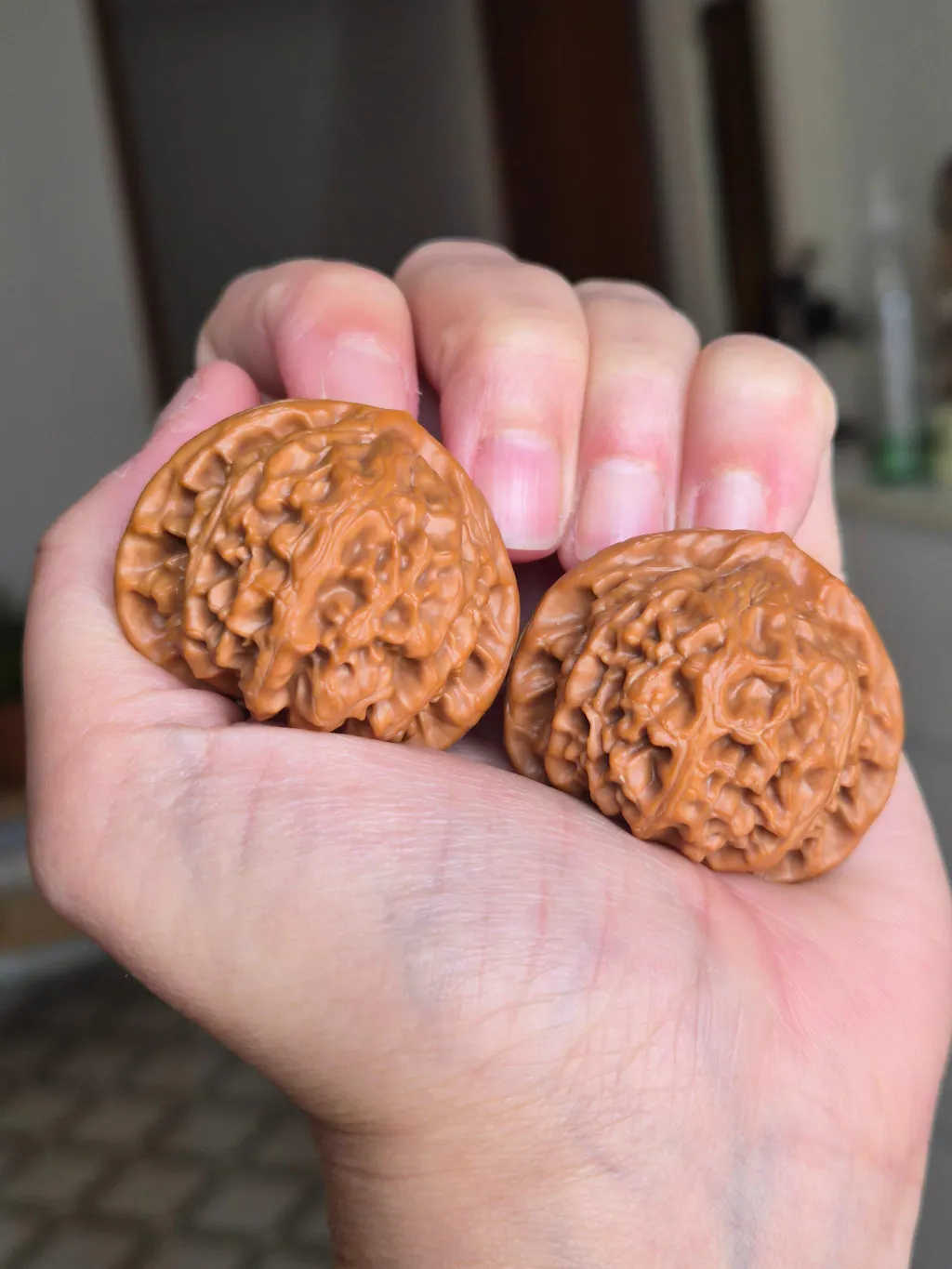
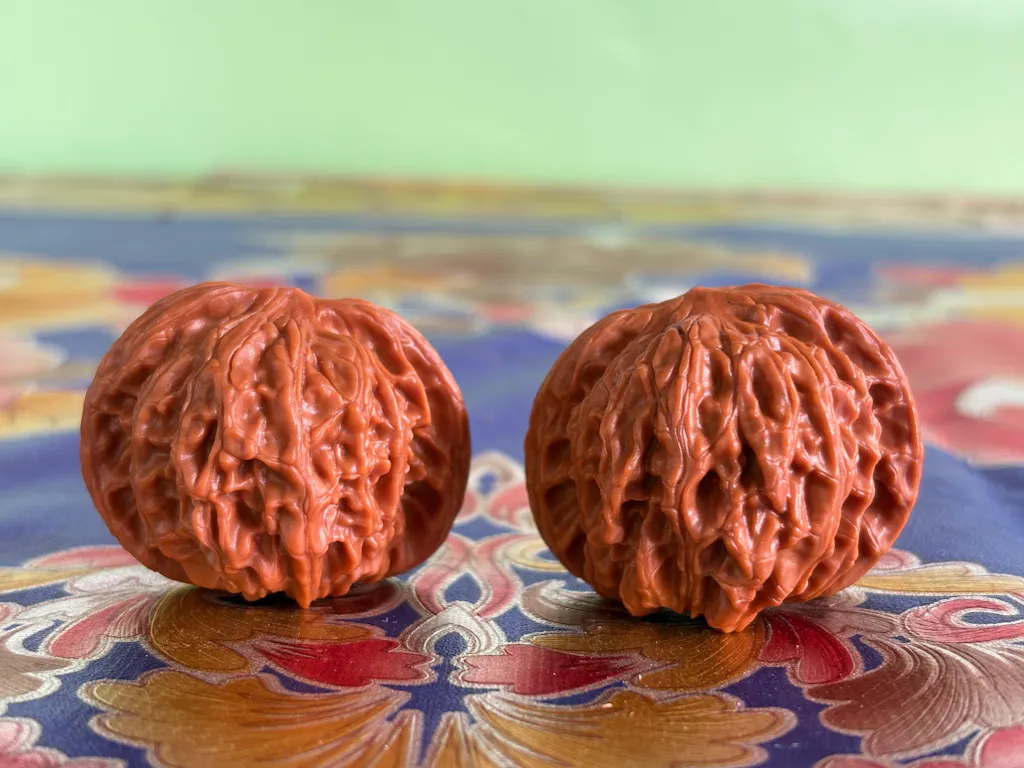
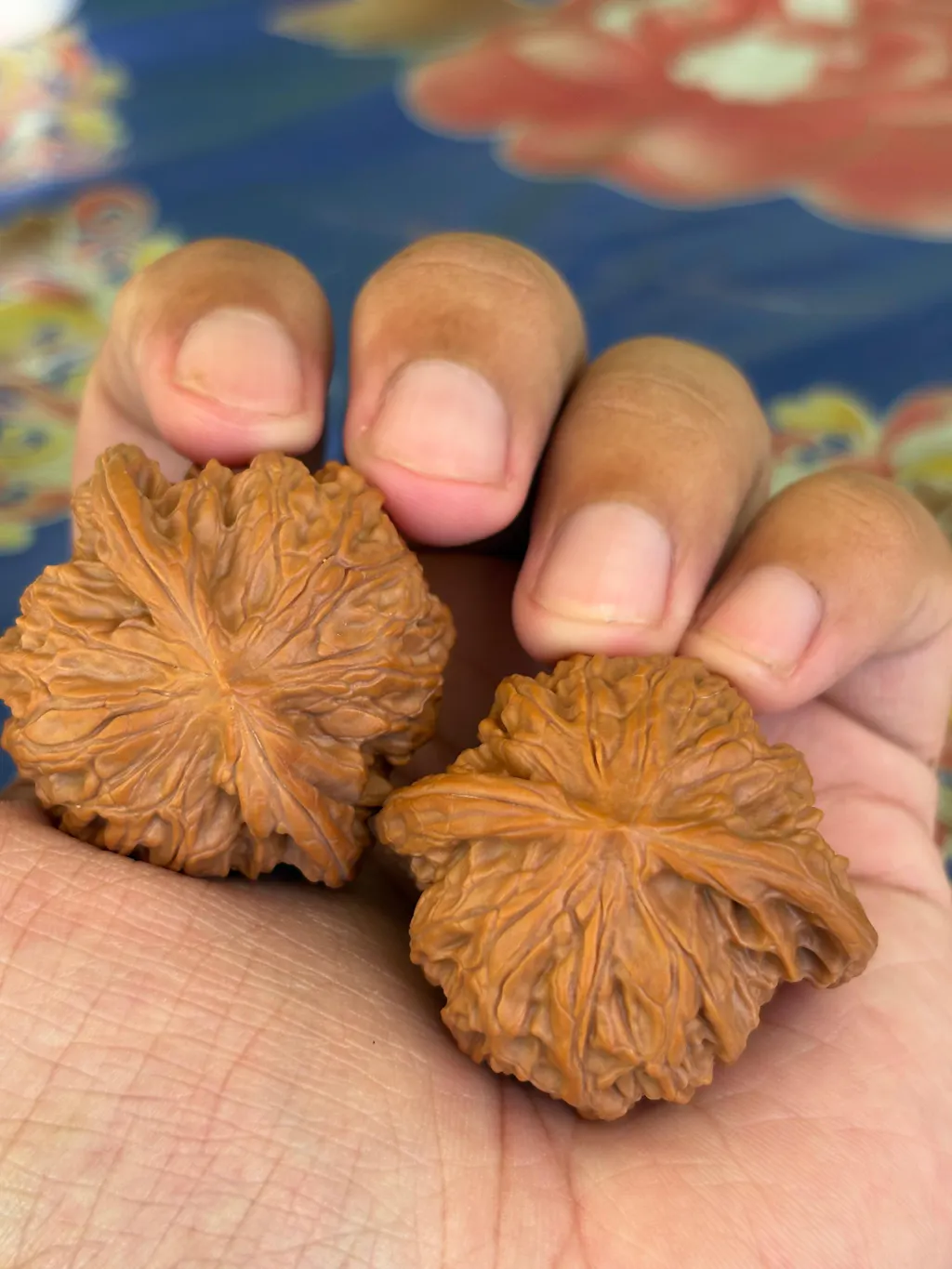
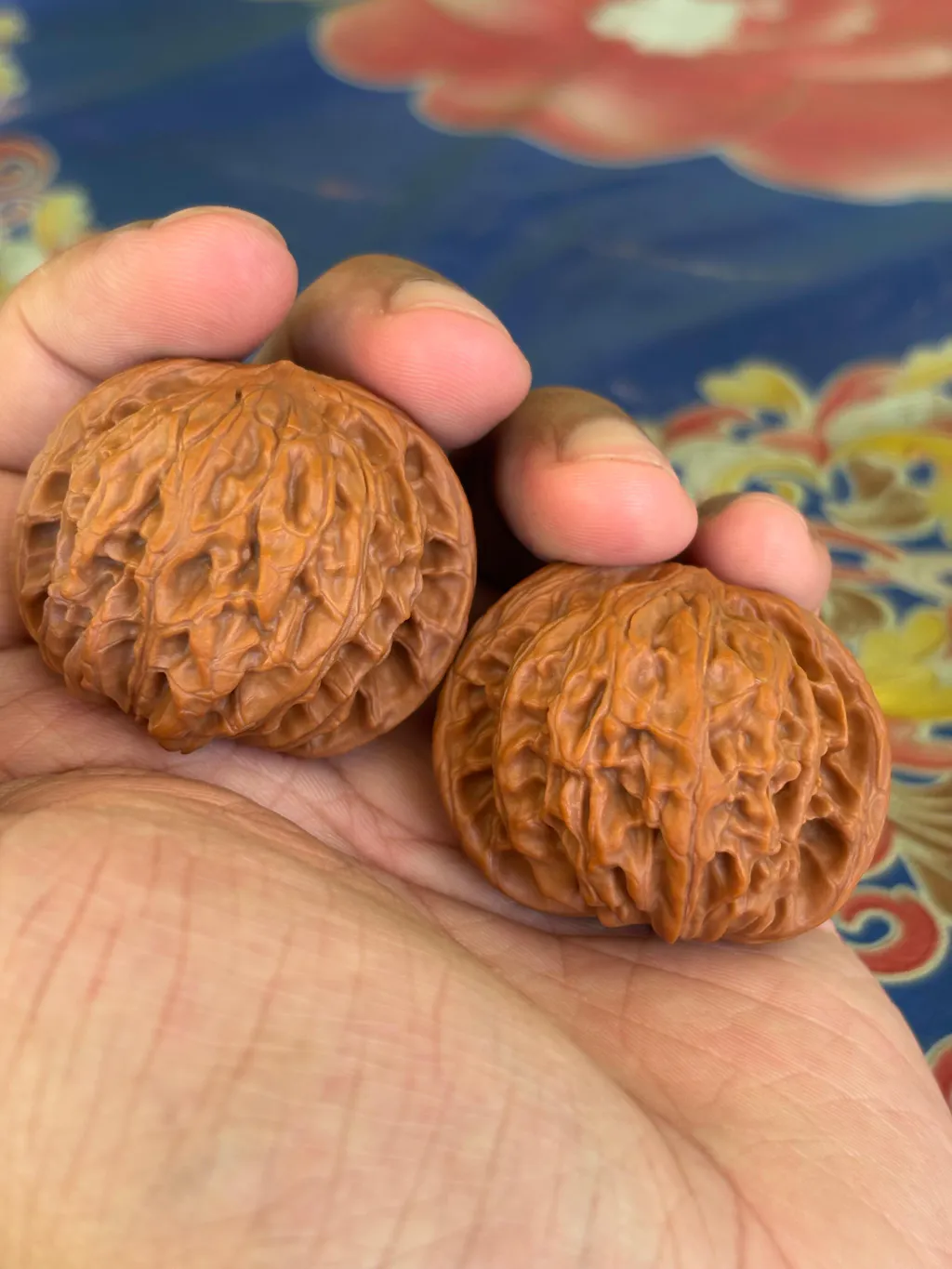
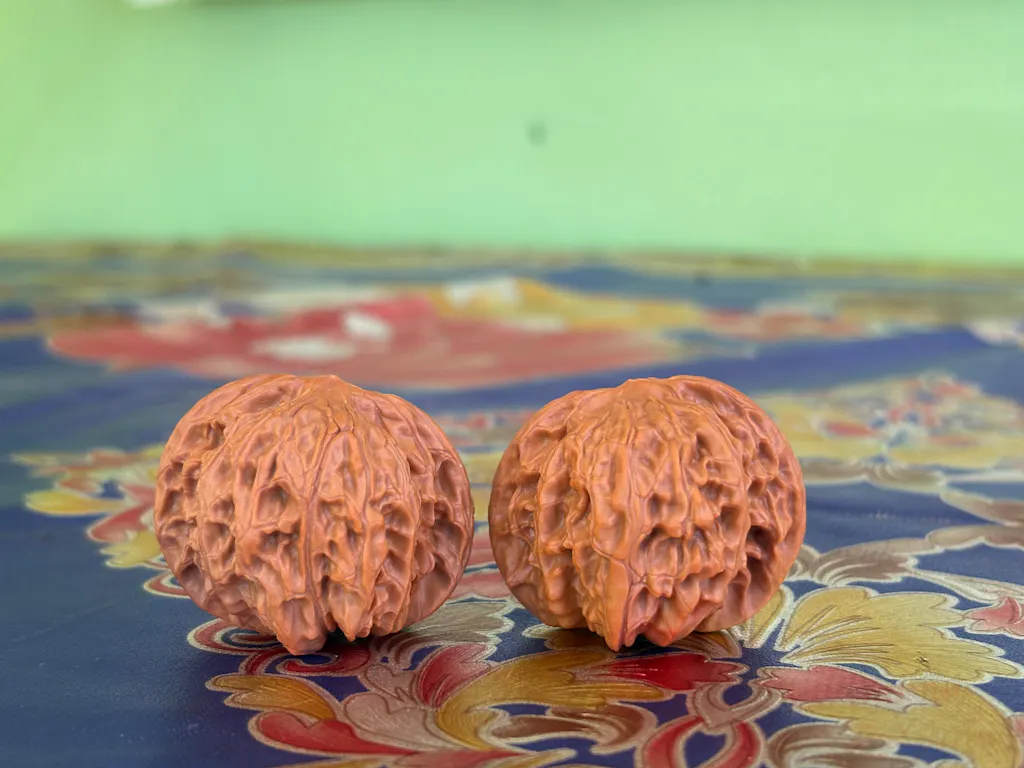
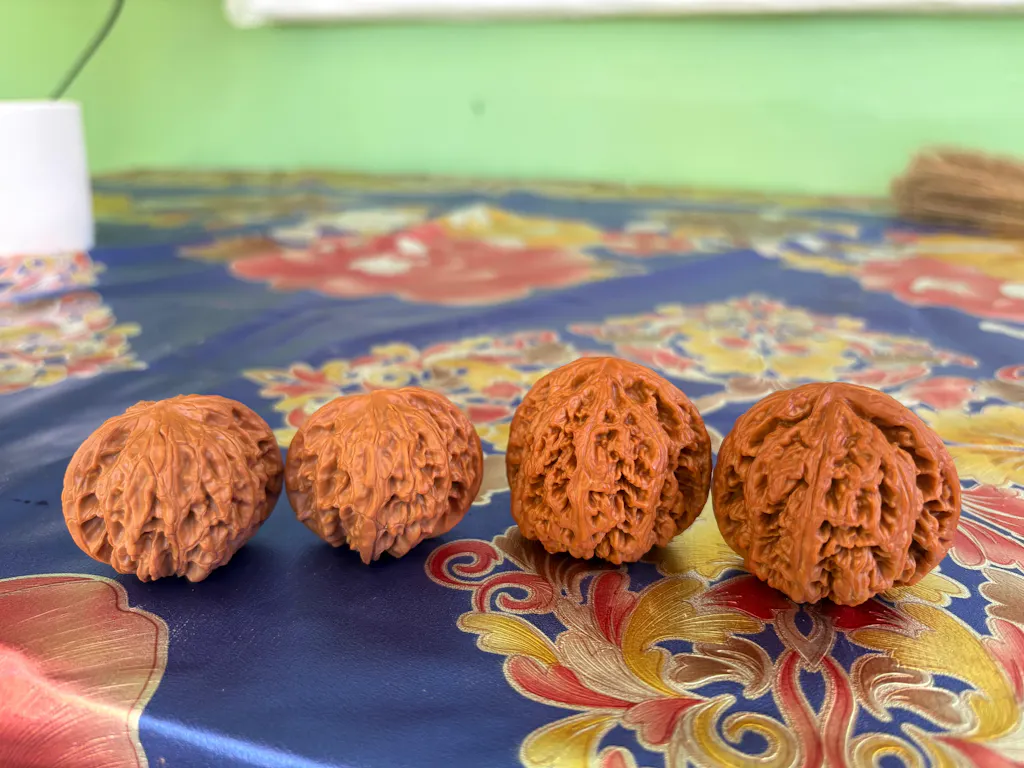
Patina(包浆) refers to the natural change in an object’s surface over time through use, touch, aging, and exposure to the environment, often creating a smoother texture and richer color. In Wenwan culture, patina develops gradually through daily handling, as natural oils and friction slowly give gourds, wenwan walnuts, and beads a warm glow and polished character that collectors highly value.
To truly understand the patina of a wenwan gourd, you first need to understand its “skin.” The surface of a gourd is composed of cellulose and lignin, covered with microscopic pores that act like natural breathing channels. A freshly harvested gourd still carries traces of pectin and wax on its surface, giving it a raw and slightly rough texture. As it slowly air-dries over time, these substances gradually fade away, revealing a finer woody layer beneath. This is when handling and polishing begin to shape the patina.
The formation of patina is both a physical and chemical transformation:
① Oil Absorption
The natural oils produced by human hands — mainly squalene and triglycerides — mix with sweat containing moisture, salts, and trace minerals. Through repeated handling, these substances are gently pressed into the tiny pores of the gourd’s surface. Once exposed to air, the oils slowly oxidize and polymerize, forming a thin translucent protective film.
② Oxidative Curing
Natural compounds inside the gourd, such as tannins and plant pigments, gradually deepen in color through long-term oxidation. As they merge with the oil layer, the surface develops its signature glow, evolving from pale yellow to honey amber, and eventually to deep jujube red.
The process is remarkably similar to the aging of fine tea cakes — it cannot be rushed, yet it requires constant time and patience.
Proper natural drying alone takes around 3 to 6 months in a shaded, ventilated environment, since direct sunlight can cause cracking. A stable early-stage patina may take 3 to 5 years to develop, while achieving the coveted “glass-finish” shine often requires more than a decade of careful handling.
Every layer of gloss carries the visible imprint of time.

Why Patina Matters in Wenwan Culture
In traditional Wenwan culture, patina represents much more than surface beauty.
Collectors often view a well-aged gourd as a reflection of time, patience, and personal care. Every small change in texture and color records repeated handling over months or years, giving the object a sense of individuality and history.
This philosophy is deeply connected to the broader aesthetics of Chinese collecting culture, where gradual transformation is often valued more than instant perfection. Rather than remaining untouched, Wenwan objects are expected to evolve through daily interaction.
Many experienced players believe that older gourds develop a calmer and warmer feeling in the hand. As the surface becomes smoother and denser, the gourd begins to feel less dry and more refined, almost similar to polished wood or aged jade.
Because of this, naturally developed patina is considered one of the most important signs of a high-quality Wenwan gourd.

5 Steps to Developing a Beautiful Wenwan Gourd Patina
Step 1 — Prepare the New Gourd
When you first receive your gourd, resist the urge to start handling it immediately. Carefully inspect the surface for imperfections such as leftover dry skin, rough patches, or stains. If needed, simply wipe it gently with a slightly damp towel.
Step 2 — Sun Drying
Proper drying is one of the most important stages in preparing a Wenwan gourd. Correct drying helps prevent cracking, mold, deformation, and uneven coloration, while also creating a strong foundation for future patina development.
① Drying Methods
-
Hanging Drying
Tie a string around the stem of the gourd and hang it in a cool, well-ventilated place. This can be indoors or on an outdoor drying rack.
Keep the gourd off the ground to prevent moisture buildup and mold. Avoid strong airflow or windy passages, as rapid drying may cause warping or surface cracking. -
Flat Drying
If hanging is not possible, place the gourd flat on a clean, level surface.
Leave enough space between each gourd to allow proper airflow. Avoid direct sunlight and strong wind during drying.
② Important Notes During Drying
-
Avoid Excessive Direct Sunlight
Even though this is called “sun drying,” strong sunlight should be avoided. Excessive UV exposure can cause rapid moisture loss, leading to shrinkage, cracking, or surface damage. -
Maintain Good Ventilation
Proper airflow helps internal moisture evaporate slowly and reduces the risk of mold. Open windows or use gentle airflow if needed. -
Turn the Gourd Regularly
Rotate the gourd every few days to ensure even drying on all sides and prevent uneven moisture retention. -
Protect the Stem (“Dragon Head”)
The stem is a delicate and important feature in Wenwan culture. Avoid bending or breaking it, and protect it with soft cloth or sponge if necessary.
③ Drying Time Reference
- Small gourds: 1–2 weeks
- Medium gourds: 2–3 weeks
- Large gourds: more than 3 weeks
Check regularly during the process. When the surface feels dry and the shell becomes firm and hardened, the gourd is properly cured and ready for the next stage of patina development.

Step 3 — Wear Gloves for Handling
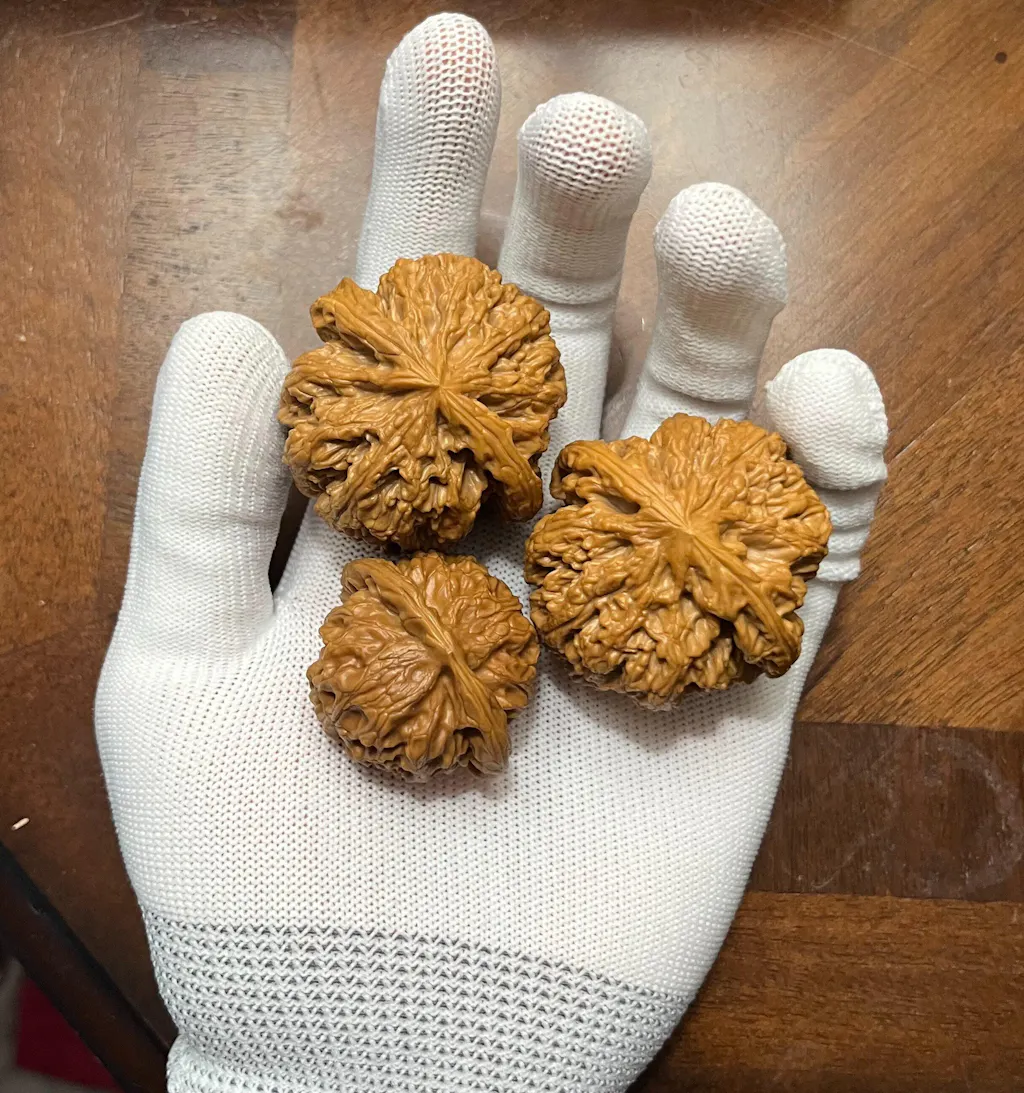
Start by wearing clean gloves when handling the gourd. Make sure the gloves are free from dirt, dust, or any oil residue. Continue this stage until a clear surface sheen and initial patina begin to appear on the gourd.
If you handle it for about one hour per day, this stage usually takes around one month to show noticeable results.
For better results, thin suede gloves or a clean eyeglass cloth can be used. These materials provide a finer, more controlled friction, helping the surface develop a smoother and more even early-stage gloss.
The purpose of glove handling is to prevent excess oil and moisture from being absorbed too quickly into the surface of the gourd, which helps avoid uneven coloration or a “patchy skin” effect.
Step 4 — Direct Hand Handling
Remember the six key words: “clean hands, gentle handling, frequent rest.”
-
Keep your hands clean and dry at all times.
Always wash and thoroughly dry your hands before handling the gourd. If there is sweat or oil on your hands, directly handling the gourd can cause the surface to darken, become dull, and prevent a good patina from forming. -
Handle with a light touch.
Use gentle pressure and slowly rub along the natural grain of the gourd. Focus mainly on the body and waist areas, while only lightly passing over the stem. -
Limit each session to 15–20 minutes.
After each session, let the gourd rest and “breathe” for oxidation. Handling continuously for 1–2 hours can trap moisture and heat, which may actually harm the development of a healthy patina.

Step 5 — Control the Rhythm
After handling the gourd for about a week, let it rest for two days before continuing. Repeating this cycle allows the surface to oxidize and settle naturally. With enough patience and consistency, the gourd will gradually develop a rich, smooth, and beautiful patina over time.
Common Mistakes That Slow Patina Development
In the process of developing a patina on Wenwan gourds, many issues are not caused by insufficient handling, but by incorrect methods. The following four mistakes are the most common reasons why gourds fail to develop a good patina or even get damaged.
① Excessive Force During Handling
Many beginners believe that “the harder you rub, the faster the patina develops,” which is a major misconception.
- Excessive force can damage the natural surface structure of the gourd
- It may cause uneven wear, leading to patchy or whitish areas
- Long-term over-rubbing can strip away the natural softness and make the surface feel dry and rough
The correct approach is gentle, light handling along the natural grain, allowing the surface to gradually develop its sheen through slow oxidation rather than force.
② Frequent Oiling
Applying oil does not accelerate real patina formation—in fact, it is one of the most common reasons gourds are damaged.
- External oils can clog the natural pores of the surface, affecting oxidation
- It may create an oily film, making the color look dull or overly dark
- Once over-oiled, it is very difficult to restore a natural finish
A healthy patina comes from minimal natural oils from the hands combined with air oxidation, not from artificial oiling.
③ Lack of Resting Time
A gourd should not be handled continuously; it needs a cycle of “handling – resting – oxidation.”
- Long continuous handling (1–2 hours or more) can trap heat and moisture
- The surface may fail to oxidize properly, affecting patina stability
- The shine may remain superficial instead of developing depth
It is recommended to alternate between short handling sessions and rest periods, allowing the gourd to “breathe” and oxidize naturally in the air.
④ Improper Storage Environment
Environmental conditions have a major impact on gourds—sometimes even more than handling methods.
- Direct sunlight: can cause rapid dehydration, leading to cracking or deformation
- High humidity: may lead to mold, odor, or even decay
- Unstable temperature changes: can weaken the structural stability of the gourd
The ideal environment is well-ventilated, dry, and kept away from direct sunlight, with moderate and stable humidity.
How Long Does Patina Take to Develop?
Patina on a gourd takes time to fully develop into that rich red, glossy, translucent shine. For some gourds, it may take only 1–2 years, while others can take many years to reach a deep mature patina. It depends on several factors, including the gourd’s skin quality, how often you handle and sun-dry it, how well it’s stored, and even the local climate.
No matter the size or variety of the gourd, patience and consistent handling are the most important parts of the process. Generally, the color change and patina development can be divided into the following four stages.
Stage 1: Color Transformation
During regular handling, the natural sweat on the hands gradually penetrates the surface of the gourd.
It reacts with the natural pigments inside the gourd (such as cyanidin and other plant compounds), causing the color to slowly shift from light to darker tones.
This is a gradual process that requires patience and consistency.
Over time, you will notice the gourd becoming deeper in color, while also gaining a subtle natural sheen.
Stage 2: “Porcelain Hanging” (Surface Polishing Effect)
With continued handling over time, the surface oils and natural waxes gradually stabilize and solidify.
This forms a smooth, refined surface layer that appears glossy and even, similar to porcelain or polished stone.
At this stage, the gourd begins to show a soft mirror-like reflection, which is why collectors refer to it as “hanging porcelain.”
This stage requires careful, patient handling to maintain consistency and avoid damaging the developing surface.
Stage 3: Patina Formation
After the “hanging porcelain” stage, continued gentle handling leads to true patina development.
The sticky or slightly tacky feeling on the surface gradually disappears.
The gourd becomes noticeably smoother, more stable, and more refined to the touch.
The patina gives the surface a richer glow, making it appear brighter, more moisturized, and significantly more comfortable in hand.
Stage 4: Translucent Crystal Finish
The final stage is when the gourd becomes highly refined and visually translucent.
The patina deepens and transforms into a semi-transparent layer, as if a natural lacquer coating has formed on the surface.
It reflects light with a glass-like luster, giving the impression of a soft, glowing “glass finish.”
At this stage, the texture is extremely delicate, smooth, and visually rich—almost like jade or polished crystal, with an elegant and timeless beauty.

Conclusion
Developing a beautiful patina on a Wenwan gourd is a slow process shaped by time, patience, and proper care. From early color changes to a deep glass-like finish, every stage reflects the natural aging of the gourd. With consistent handling and the right environment, a Wenwan gourd can gradually become smoother, richer, and more valuable over the years.
FAQs
1. How long does it take for Wenwan gourd patina to form?
It usually takes 1–2 years for basic patina to appear, while a deep, glossy finish may take several years or even longer depending on care and environment.
2. Can I speed up the patina process?
No. Patina develops naturally through time, oxidation, and gentle handling. Forcing the process with oil or excessive rubbing can actually damage the surface.
3. What mistakes should I avoid when developing patina?
Common mistakes include over-handling, using too much force, improper storage, and exposing the gourd to direct sunlight or high humidity, all of which can damage the surface.
4. What is the best way to handle a Wenwan gourd?
Always use clean, dry hands or gloves at the beginning. Handle gently for short sessions, allowing rest time so the surface can oxidize naturally.
5. What affects patina development the most?
Key factors include handling frequency, skin quality of the gourd, climate, storage conditions, and consistency of care over time.
Related articles:
A Beginner’s Guide to Wenwan Gourds: History, Meaning, and How to Play