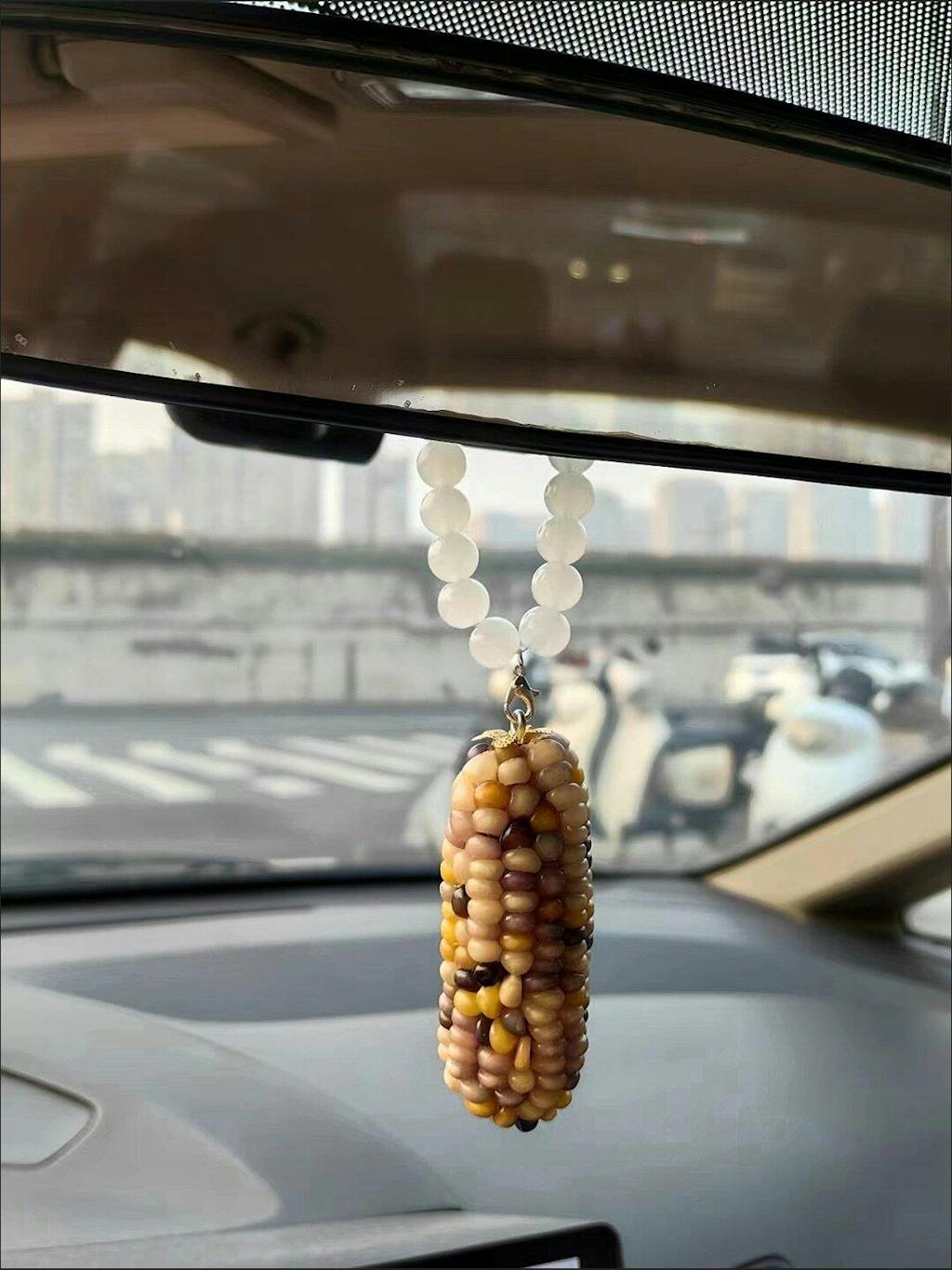


Why Are Bodhi Bracelets the Best Choice for Wenwan Beginners?
Introduction
When stepping into the world of Wenwan (traditional Chinese collectible and wearable art), it’s easy to feel overwhelmed by the sheer variety—walnuts, ivory alternatives, gemstones, woods, and more. But among all these, Bodhi bracelets stand out as the perfect entry point for beginners.

What is Bodhi Bracelet?
The most familiar reference to “Bodhi” comes from the Buddhist verse:
"Bodhi has no tree, the clear mirror has no stand. Originally there is not a single thing—where can dust alight?"
Here, “Bodhi” is not the name of a tree. It is a transliteration of the Sanskrit word Bodhi, meaning enlightenment or wisdom. In Buddhism, it represents the highest state that a practitioner can attain.
Bodhi Root Is Not a Tree Root
The modern “Bodhi root bracelets” are neither from the Bodhi tree nor actual tree roots—they are seeds of the Corypha umbraculifera, also known as the talipot palm.
-
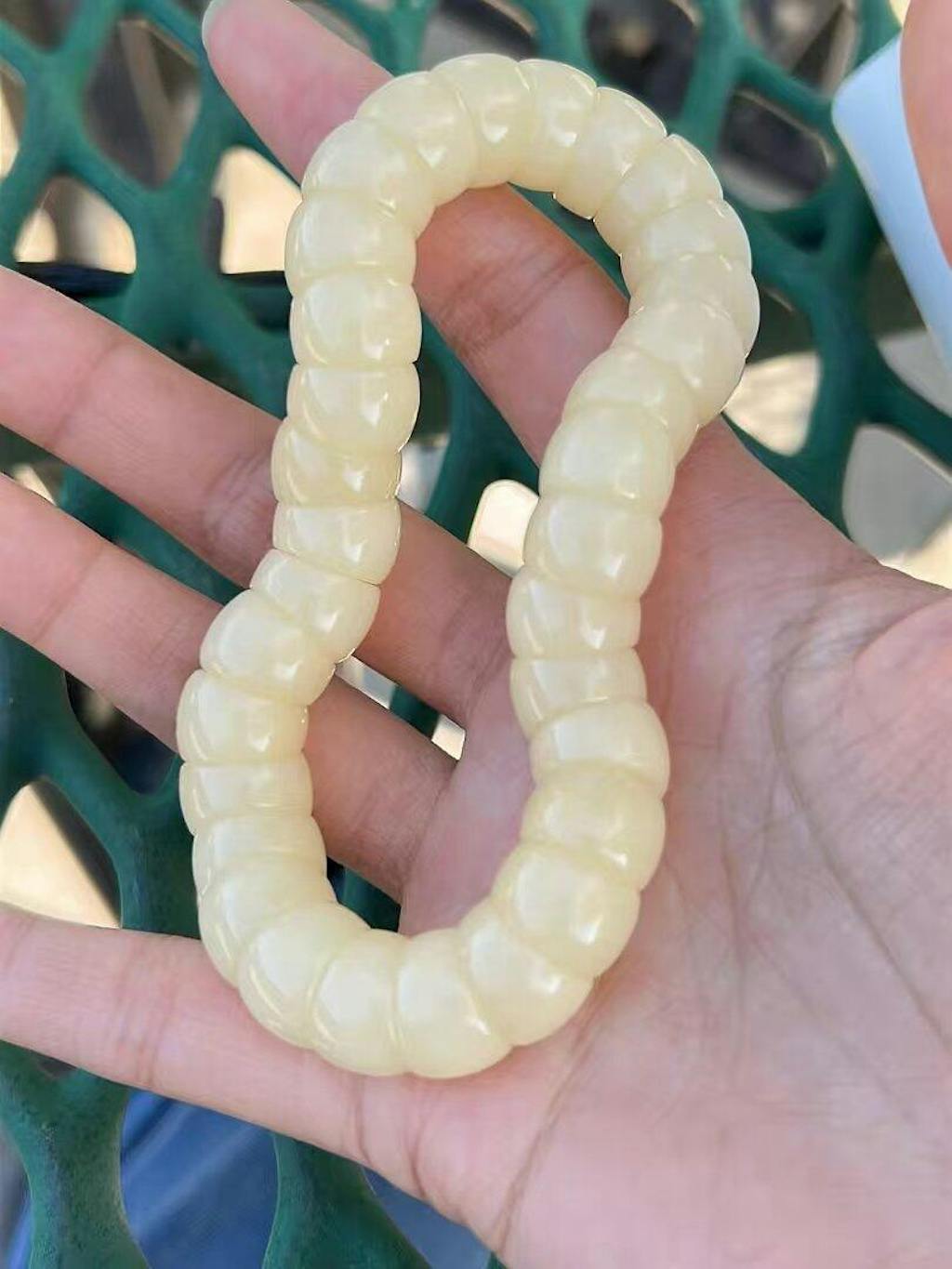
The exterior is rough and patterned, while the inside is a pristine white.
-
With prolonged handling and polishing, the seed gradually develops a warm yellowish-brown tone, making it ideal for crafting prayer beads.
-
Because of its appearance, it is often confused with White Jade Bodhi, but they are distinct.
Key Differences:
-
Bodhi Root: Seed of the talipot palm (Corypha umbraculifera).
-
White Jade Bodhi: Nut of an oil palm plant.
-
Bodhi root takes decades to flower and fruit, while White Jade Bodhi produces annually.
What Is Talipot Palm?
The talipot palm (Corypha umbraculifera L.) belongs to the palm family and is native to India, Malaysia, Sri Lanka, and tropical regions of China such as Yunnan.
-
In ancient India, Buddhist disciples often inscribed scriptures on talipot palm leaves, creating the ancient “Bayei Sutras”.
-
Growth characteristics: In China, the talipot palm usually takes 40–60 years to flower and fruit (about 20 years in its native habitat). After flowering, it takes roughly a year for the fruit to mature, and then the mother plant dies, leaving numerous offspring.
This is why it is considered a monocarpic plant (one-time flowering and fruiting). A mature Bodhi root seed represents decades of growth—like the fruit of a practitioner’s lifelong cultivation.

Why Is It Called “Bodhi Root”?
Strictly speaking, the Bodhi root is a seed, not a tree root.
While there is no definitive explanation for the name, folklore suggests:
-
The seed is hard, white, and resilient.
-
When burned, it releases a pleasant fragrance.
-
Its qualities resonate with the Buddhist ideals of enlightenment and purity.
Thus, it was named “Bodhi root,” symbolizing a firm, pure wisdom seed.
The Value and Symbolism of Bodhi Root
Although the surface appears rough and unremarkable, repeated polishing reveals its inner pure white beads.
-
The finished beads are exquisite, clean, and durable.
-
Wearing a Bodhi root bracelet symbolizes not only the pursuit of wealth and wisdom but also reminds practitioners to maintain resilience and a pure heart.

Why Bodhi Bracelets Are Perfect for Wenwan Beginners
If you’re just starting your Wenwan journey, choosing a bracelet that is easy to handle and meaningful can set the tone for your practice. Bodhi bracelets provide an ideal starting point, combining simplicity, durability, and rich cultural significance.
1.Gentle Material, Easy to Maintain
Bodhi root beads are hard in texture yet not easily fractured. Their slightly rough surface absorbs natural hand oils and sweat, which means beginners can handle and practice without fear of damaging the beads. Compared with more delicate materials like Wenwan Walnuts, sandalwood, or Rudraksha Bodhi that may crack or require special care, Bodhi bracelets are much more beginner-friendly.
2. Visible Progress and High Sense of Achievement
With regular wearing and handling, Bodhi beads gradually change color, develop a glossy patina, and may even form fine crackle lines. These visible transformations allow beginners to quickly see the results of their efforts, which builds motivation and interest in continuing the practice.
3. An Excellent Way to Learn Basic Techniques
Nurturing Bodhi beads helps beginners become familiar with essential Wenwan skills such as cleaning, rubbing, polishing by hand, and letting beads rest for natural oxidation. Mastering these basics lays a solid foundation for handling more complex or valuable Wenwan pieces in the future.
4. Low Cost, Low Risk
Bodhi bracelets are generally affordable. Even if mistakes occur during the nurturing process that leave surface imperfections, the financial loss is minimal. This allows beginners to experiment freely with different methods, styles, and rhythms of playing without pressure.
5. Rich Symbolism and Spiritual Meaning
Wearing Bodhi bracelets is more than just a tactile practice—it is also connected to Buddhist culture and the philosophy of mindfulness. The process of playing with the beads becomes a meditative act, helping beginners cultivate patience, focus, and inner calm.

Varieties of Bodhi Root Bracelets
-
White Bodhi Root: The most basic type, showing the natural color of the talipot palm seed. Its pure white hue symbolizes purity of the mind.
-
Tiger-Striped Bodhi Root: Characterized by unique patterns on the outer shell, resembling tiger stripes. This variety is bold and full of personality.
-
Ground Weathered Seed: Seeds that have fallen to the ground and been partially buried, undergoing natural decay and oxidation over time, resulting in gradual color change.
-
Tree-Weathered Seed: Seeds that remain on the tree, exposed to sun, wind, and rain, naturally developing color variations.
-
Semi-Weathered Seed: Seeds that undergo oxidation during storage, producing subtle color changes.
-
Moisture-Affected Seed (Yin-Skin Seed): Seeds influenced by high humidity during growth; after falling from the tree, moisture causes a jade-like greenish tint.
-
Artificially Treated Seed: Seeds that are enhanced through color acceleration, baking, or other techniques to create unique color effects.

Caring and Cultivating Bodhi Root Beads
Although many tutorials for cultivating Bodhi root beads can be found online, it’s important to emphasize that the process is ultimately about cultivating patience and mindfulness. The bracelet itself is a tangible tool, a companion that witnesses the gradual transformation over time. Therefore, don’t be discouraged or give up during the awkward phases of color change.
Important: From the very beginning, any type of bead bracelet should be handled with clean hands. If dirt or grease seeps into the beads early on, the resulting color development may become uneven and less appealing.
When you first get a new Bodhi root seed, experienced collectors usually recommend gently rubbing it with a soft cotton cloth (or a bath towel) for a couple of hours each day over two or three days. This removes leftover processing dust and wax from the surface. After this initial stage, the surface will appear more transparent and lustrous. Then, switch to soft cotton gloves to begin light “polishing.”
This process can vary depending on your goals:
-
If you aim for a high-quality, porcelain-like luster, patience during the early stage is essential.
-
If you’re more casual and open to the bead’s natural evolution, you can begin wearing and cultivating it immediately.
Once you start handling the beads, Bodhi root begins its natural color change. Oils and sweat from your hands gradually penetrate the surface, interacting with oxidation, and the beads slowly turn yellow. This transformation is usually gradual and almost imperceptible.
Compared with other Bodhi-type collectibles, Bodhi root is relatively easy to cultivate. Simply wear it daily, and when you have time, roll each bead between your fingers for at least half an hour. Frequent handling won’t harm it. Once the beads feel slightly sticky to the touch, this indicates that the patina (baojiang) is forming.
After the patina develops, the bracelet should be given some time to rest, allowing the oxidized surface layer to dry and harden. This resting period usually lasts 2–5 days. Repeat this cycle of handling and resting several times to gradually build a rich, thick patina. The duration of this process can vary depending on personal preference.
During patina development, the beads lose surface oils and moisture, causing the exterior to expand while the interior becomes more compact. This may result in surface cracking, known as “kaipian.” At this stage, the Bodhi root typically shows a reddish-brown tone, referred to as copper crown or elephant skin. After this, the color generally deepens over time, and the texture becomes richer, heavier, and more visually appealing.

Care Taboos and Precautions
-
Avoid soaking in water.
Do not wear your beads while bathing, swimming, or in any environment with shampoos and other chemicals. Such complex water conditions can damage the surface and affect the natural patina formation. -
Do not rush the coloring process.
The rich tone of Bodhi root beads develops slowly through absorption and oxidation. Be patient—never apply oil; simply keep your hands clean while handling them. -
Clean gently if dirt appears.
If the bead surface becomes dirty, wipe carefully with a slightly damp cotton cloth or an alcohol wipe. Allow the beads to air dry in a cool, shaded place before continuing to nurture them.

Final Thoughts
Bodhi bracelets are more than accessories—they are companions in mindfulness, patience, and cultural heritage. Our Bodhi Bracelet Collection offers authentic pieces that carry both beauty and meaning, perfect for anyone beginning their Wenwan journey or seeking a deeper spiritual connection in everyday life.
Related articles:
Bodhi Seed Bracelet Guide: How to Wear, Play, and Care for Your Spiritual Beads
What Are Bodhi Bracelets Made Of?
A Beginner’s Guide to Wenwan Walnuts: History, Meaning, and How to Choose a Pair