

What Is Wenwan? A Guide to Chinese Handheld Treasures
Introduction
Wenwan, or "cultural playthings," are traditional Chinese collectibles that combine craftsmanship, symbolism, and mindfulness. From carved walnuts to sacred beads, they offer a calming, hands-on connection to history, spirituality, and the art of personal cultivation.

What is Wenwan?
Wenwan (文玩) is a unique category of Chinese collectibles that blends artistry, cultural symbolism, tactile experience, and spiritual resonance. Often translated as “cultural playthings” or “scholarly toys,” Wenwan items were traditionally cherished by Chinese literati, scholars, monks, and emperors as tools for meditation, study, and refinement. These handheld objects—ranging from carved beads and walnuts to root carvings and miniature sculptures—are meant to be admired, played with, and passed down through generations.
Unlike typical collectibles, Wenwan items gain value not only through craftsmanship or rarity, but also through the patina and warmth developed by long-term handling. In this sense, Wenwan is both an art and a practice—an embodiment of mindfulness, discipline, and personal cultivation.

A Brief History of Wenwan
The tradition of Wenwan dates back over a thousand years, flourishing particularly during the Tang (618–907 AD), Song (960–1279 AD), and Qing (1644–1912 AD) dynasties. It began as a pastime among scholars and officials who sought to connect with nature and nurture their inner world through tactile, portable art objects.
In ancient Chinese culture, handling Wenwan items was more than idle amusement—it was a daily practice of patience, meditation, and self-reflection. Whether it was a pair of Wenwan walnuts warming in the palm, a string of Bodhi beads being counted in prayer, or a jade thumb ring slowly absorbing the oils of the skin, Wenwan was closely tied to both aesthetics and spiritual life.
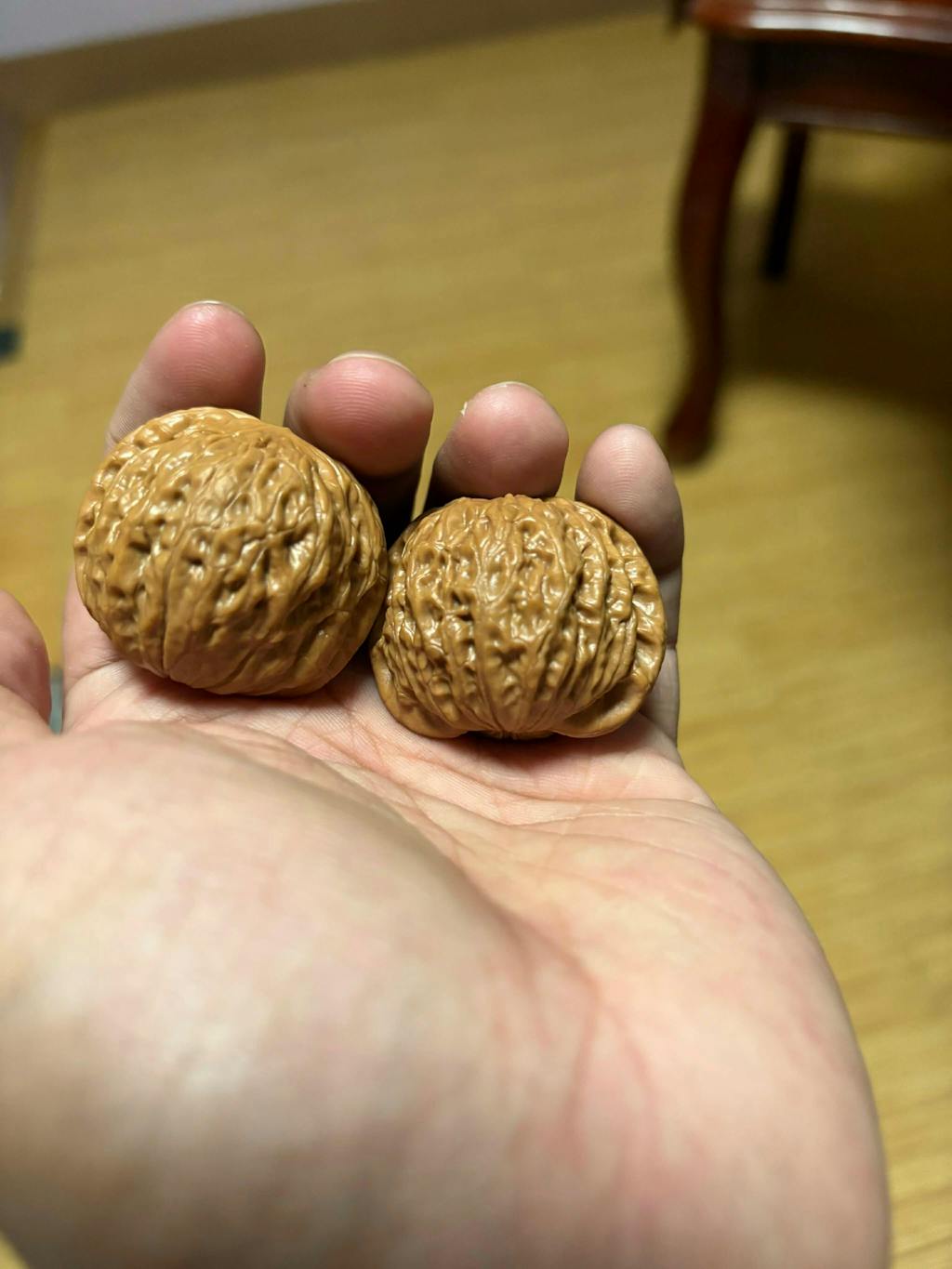
Some items also functioned as status symbols. A pair of rare, well-matched Wenwan walnuts could fetch high prices and were often gifted among elites. Beyond their beauty and rarity, many believed these objects could bring good luck, repel evil, or enhance focus and longevity.
This deep connection between the physical and spiritual is elegantly captured in a poem attributed to Emperor Qianlong from the 18th century:
“In the palm turning sun and moon,
And flowing backward time feels like.
Blood and soul in body attune—
How long until the white hair hike?”
The poem reflects the timeless nature of Wenwan—how turning these objects in one’s hand mirrors the passage of time and the harmony of body and spirit, reminding the practitioner of life's fleeting moments and the quiet cultivation of self.

Common Types of Wenwan Items
Wenwan, the art of refined play and appreciation, encompasses far more than just collectibles — it's a reflection of culture, nature, and spiritual tradition. Here's a look into the major categories that define this fascinating world:
📿 Gemstones and Crystals
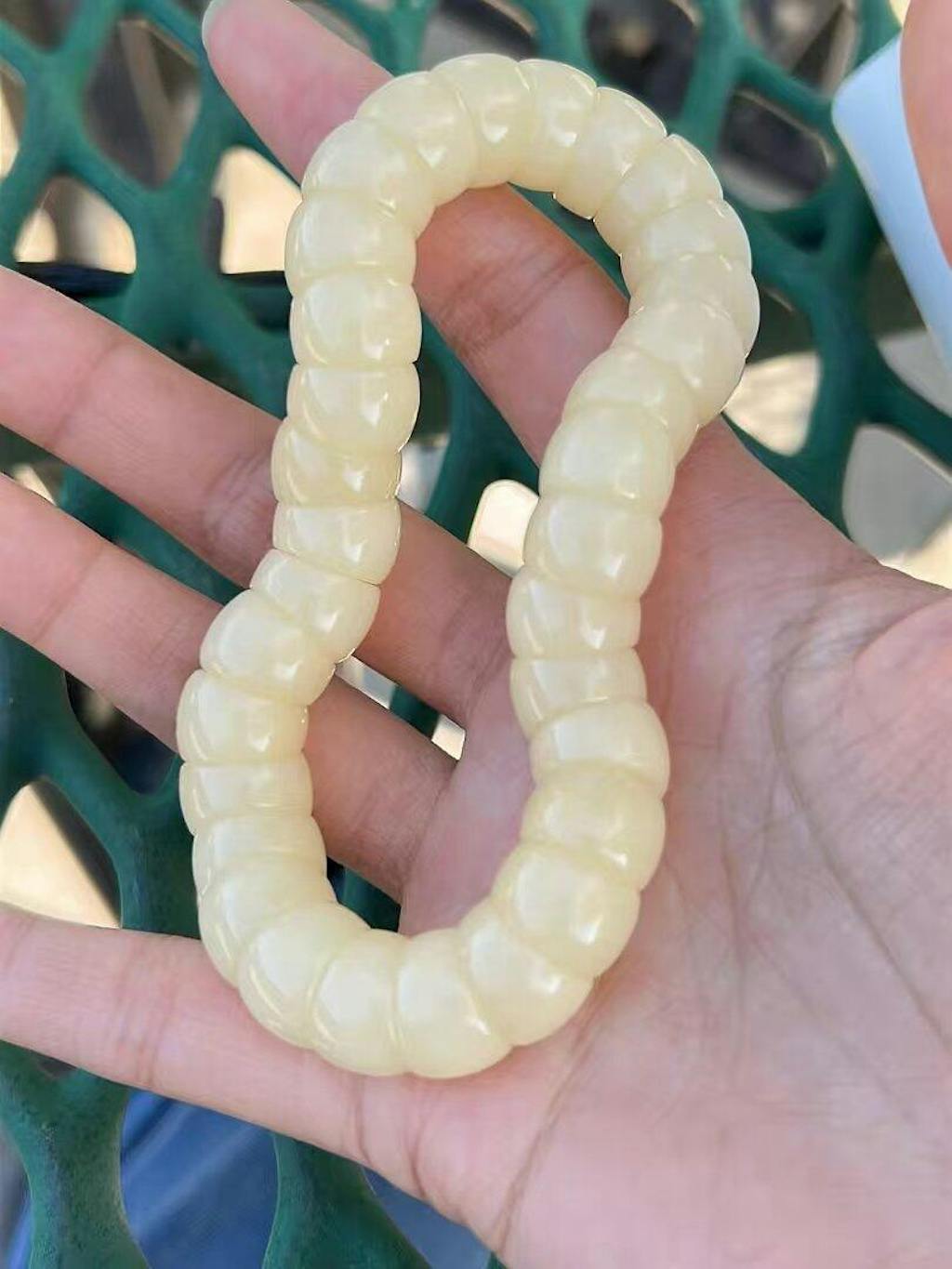
From the silky luster of Hetian jade to the vibrant green of jadeite and the vivid patterns of agate, gemstone-based Wenwan pieces are celebrated for their natural elegance and deep symbolic meaning. These stones are often worn or displayed to attract harmony, good fortune, or simply to appreciate their timeless beauty.
🪵 Exquisite Woods
Materials like red sandalwood, Chinese rosewood, and agarwood are prized for their rarity and scent. Wooden Wenwan items not only showcase rich grain patterns and warm tones, but also carry a quiet strength — making them ideal for meditation beads, sculptures, and scholar’s tools.
🌰 Sacred Seeds and Nuts
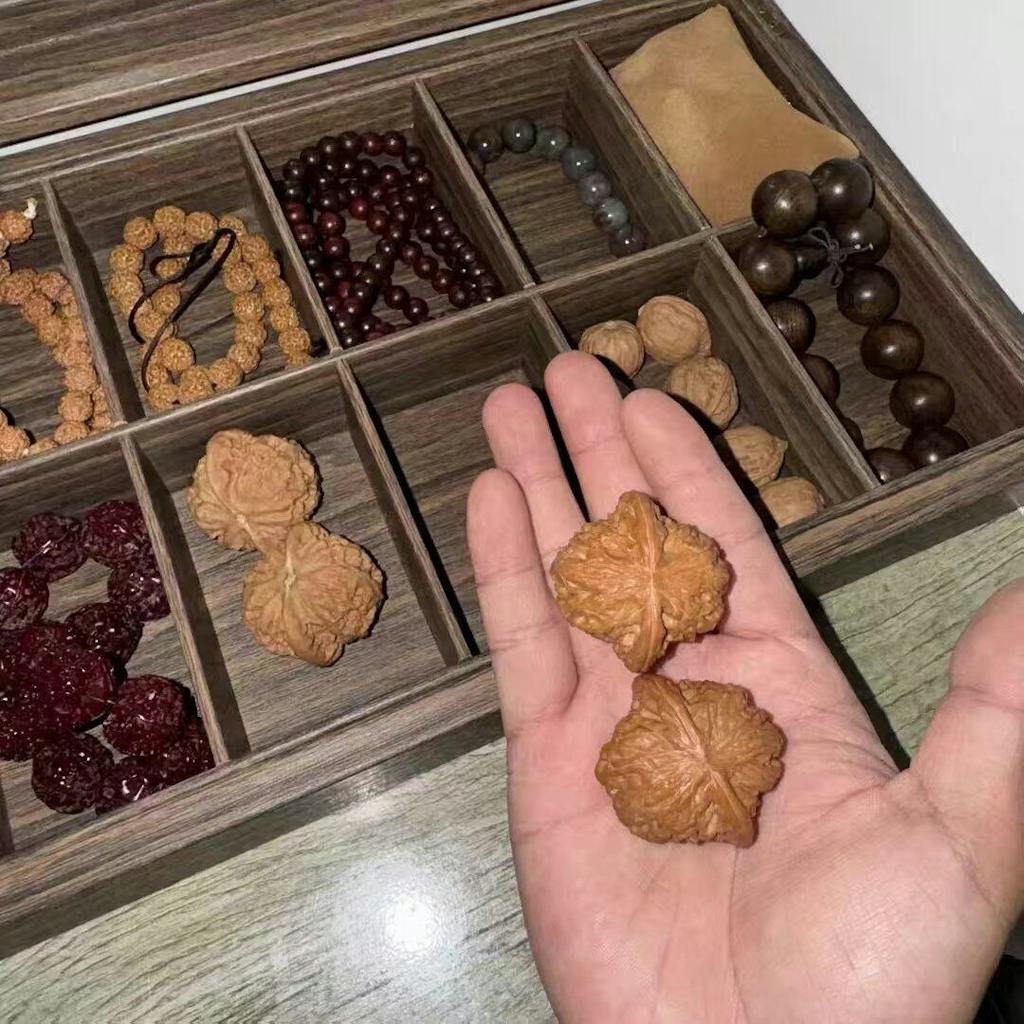
Bodhi seeds, star-and-moon beads, and carved walnuts (such as the famous Wenwan walnuts) are among the most popular natural materials. These objects are cherished for their tactile quality, spiritual significance, and the calming effect of handling them regularly.
🦴 Bone, Horn, and Tooth
Wenwan carved from deer antler, camel bone, or animal teeth presents a rugged, primal aesthetic. These items are often handcrafted with incredible detail, reflecting ancient beliefs about strength, protection, and the cycle of life.
☕ Tea, Smoke, and Wine Utensils
Traditional Chinese leisure often includes Yixing clay teapots, snuff bottles, and carved wine cups. These objects blend practicality with artistry, turning everyday rituals into refined pleasures.
🏺 Antiquities
Whether it's Ming or Qing porcelain, lacquerware, or ceremonial artifacts, antiques within Wenwan culture are windows into the past. Each item is a story frozen in time — valued for its craftsmanship, historical context, and collector appeal.
✍ Scholar’s Studio Treasures
The scholar's desk has long been a sacred space. Brush rests, inkstones, seals, and other stationary tools are not only functional, but also embody literary elegance and philosophical depth.
🙏 Faith and Spiritual Beliefs
Many Wenwan items are closely tied to Buddhist or Taoist traditions. From prayer beads and Buddha statues to Tibetan dzi beads, these objects serve as symbols of inner peace, protection, and personal belief.

Why Do People Play with Wenwan?
At its core, Wenwan is about connection—between the hand and the object, the self and tradition, the material and the metaphysical. For many enthusiasts, “playing” with Wenwan items is an act of stress relief and focus. The repetitive motions—rubbing, turning, weighing—encourage stillness and mindfulness, much like a meditative practice. In today’s anxious world, these tactile rituals have become a kind of fingertip meditation, helping people soothe nerves during meetings or decompress after a long workday. Some even say it’s more calming than squeezing bubble wrap—without the judgmental looks from a boss.
In traditional Chinese medicine and Daoist practices, handling Wenwan is believed to stimulate acupuncture points in the hand, promoting circulation, grounding the spirit, and even supporting longevity. For Buddhist practitioners, rotating a mala or holding a carved Bodhi seed aids in prayer, contemplation, and inner peace.
Others are drawn by the aesthetic and emotional journey these objects offer. There’s beauty in watching rough natural materials transform into polished treasures—how the surface darkens, the texture softens, and the piece becomes more “yours” over time. Beyond looks, many cherish the quiet rituals of care: wiping, oiling, storing. In a world full of uncertainties, Wenwan offers a rare sense of control—you give it time and attention, and it responds in kind.

Modern Appreciation & Global Reach
While Wenwan has historically been rooted in Chinese culture, it's gaining attention beyond Asia. Global collectors and spiritual seekers are beginning to appreciate its calming qualities, natural materials, and cultural depth.
Platforms like Instagram, YouTube, and Flipboard have helped introduce Wenwan to new audiences interested in slow living, spiritual wellness, and artisanal craftsmanship. Some Western collectors are now exploring Wenwan walnuts or 108-bead malas, while others are drawn to the symbolism in Bodhi seeds and root carvings.
The rise of independent brands—like BUDDHA3BODHI—also plays a key role in bridging Eastern tradition with global curiosity. By combining authentic materials, elegant design, and cultural storytelling, BUDDHA3BODHI helps bring the spirit of Wenwan to those who value beauty, intention, and mindfulness—whether it's through a pair of wenwan walnuts that calm the mind, or prayer beads that carry meaning with every touch.

Final Thoughts
Wenwan is not merely about collecting objects—it’s about cultivating stillness, beauty, and connection through the things we touch every day. Whether you’re holding a hand-polished walnut, a sacred mala, or a carved talisman, you're holding a piece of history, culture, and quiet power.
For beginners, start with what calls to you. Explore the textures, meanings, and stories behind each piece. And remember: the true value of Wenwan is not just in the object, but in the journey of interacting with it over time.
FAQs
1. Is Wenwan only for collectors or can beginners start too?
Absolutely—many pieces are beginner-friendly. Start with items that feel meaningful or calming to you.
2. How long does it take for Wenwan walnuts to develop a patina?
With daily handling, you may see changes in 1–3 months. The more consistent the use, the better the result.
3. How do I know if a Wenwan item is authentic?
Look for natural materials, handcrafted details, and trusted sellers. Avoid overly glossy, plastic-like finishes.
4. Does Wenwan require special care?
Most pieces benefit from clean hands, dry storage, and occasional wiping with a soft cloth. No harsh chemicals needed.
5. Are Wenwan items suitable as gifts?
Yes! Many people gift Wenwan for its symbolism—peace, focus, and longevity—making it meaningful and unique.
Related articles:
A Beginner’s Guide to Wenwan Walnuts: History, Meaning, and How to Choose a Pair
Wenwan Walnuts Explained: Origins, Benefits & Tips for First-Time Collectors
What Makes Wenwan Walnuts So Valuable to Collect and Play
Wenwan Walnut Polishing Guide: How to Get the Perfect Red Patina