

Wenwan Walnuts Explained: Origins, Benefits & Tips for First-Time Collectors
Introduction
Wenwan walnuts are traditional Chinese handheld objects cherished for meditation, aesthetics, and health. This ancient practice connects culture, mindfulness, and physical well-being through tactile engagement.

1. What Is Wenwan Walnut?
Wenwan is a fascinating Chinese cultural tradition centered around the appreciation and tactile interaction with natural handheld objects—such as seeds, wood, stones, and notably, walnuts. These objects are not merely collectibles; they serve as tools for meditation, aesthetic enjoyment, and spiritual connection.
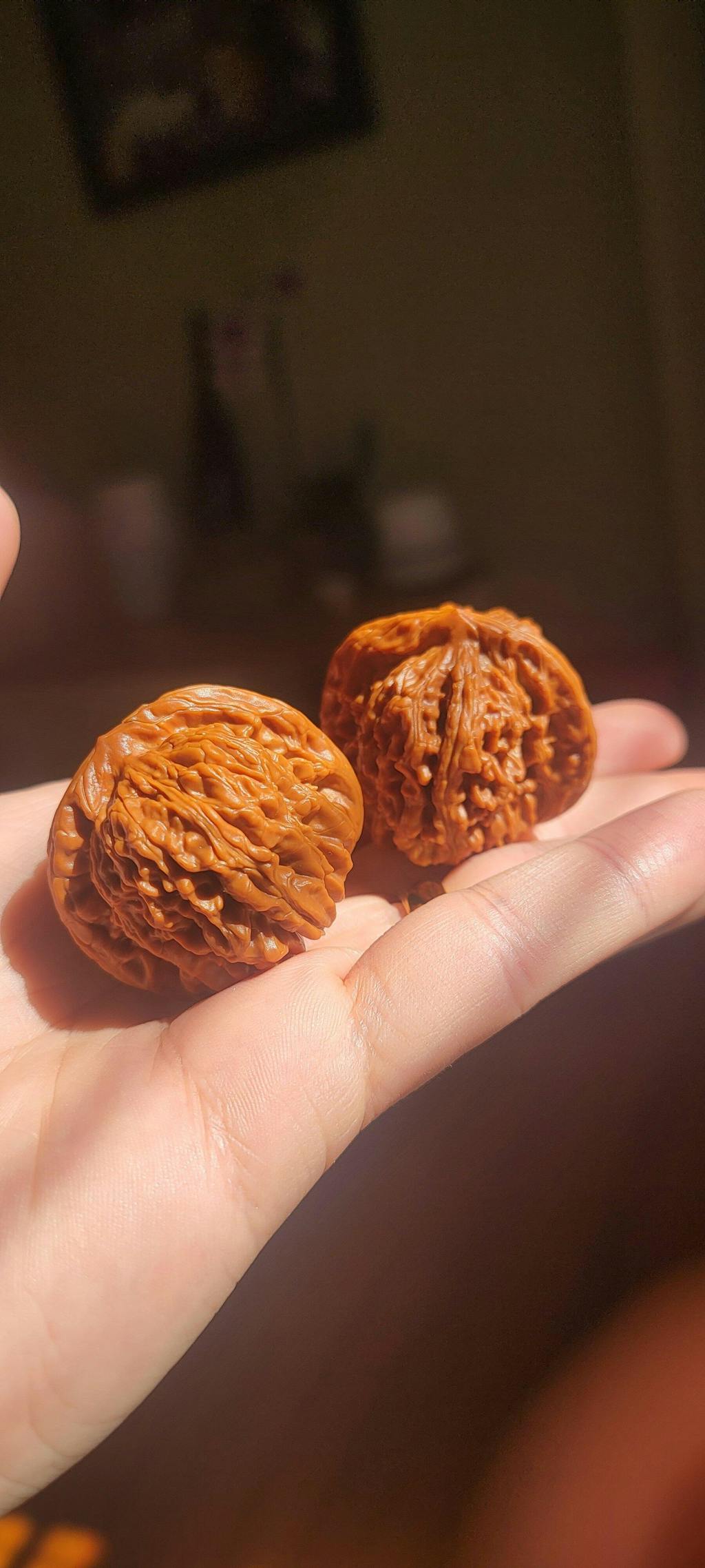
Among these, Wenwan walnuts stand out as a beloved item. They are pairs of carefully matched, dried walnut shells used primarily for hand-rolling and palm exercises. The practice of holding and rotating these walnuts dates back centuries and is deeply embedded in Chinese cultural heritage.
Wenwan walnuts symbolize patience, focus, and the beauty of imperfection. They remain popular today, not only among traditional collectors but also with a new generation seeking mindfulness and connection to their roots. Understanding Wenwan walnuts offers a glimpse into China’s rich history of craftsmanship, health practices, and artistic sensibility.
To truly appreciate their depth, it helps to understand where this tradition began.

2. A Brief History of Wenwan Walnuts
The tradition of Wenwan walnuts took shape during the Qing Dynasty, especially among Manchu nobles and Chinese literati (scholars). These walnuts were cherished as elegant companions, used for relaxation, contemplation, and social bonding.
Originally, Wenwan walnuts were a royal pastime, symbolizing status and refinement. Over time, the practice spread to common folk, becoming a cherished tradition throughout northern China. Walnuts were appreciated not only for their natural beauty but also for their symbolic meanings.
In Chinese culture, walnuts represent strength, longevity, and masculine energy. Their tough shells and intricate textures evoke resilience and endurance. Additionally, playing with walnuts is linked to virtues such as patience and self-cultivation, reflecting an attitude of steady growth and healthful living.
Though rooted in imperial courts and scholar circles, Wenwan walnuts have found new relevance today—partly because their benefits go far beyond aesthetics.
3. Why People Play With Wenwan Walnuts
People engage with Wenwan walnuts for many reasons, combining aesthetics, health, and mindfulness:
-
Aesthetic Value: Each walnut pair boasts beautiful symmetry and unique natural grain patterns. With time and handling, they develop a warm patina—a glowing surface that reflects age and care, turning each pair into a living work of art.
-
Health Benefits:Playing with Wenwan walnuts isn't just a pastime—it also supports physical well-being.
-
Stimulates acupressure points on the hands, which in traditional Chinese medicine connect to internal organs
-
Improves blood circulation and energy flow through the arms and shoulders
-
Enhances finger strength and dexterity, particularly helpful for the elderly or those recovering from hand strain
This gentle yet rhythmic activity nourishes both body and mind. As Emperor Qianlong poetically described in the 18th century:
“In the palm turning sun and moon,
And flowing backward time feels like.
Blood and soul in body attune—
How long until the white hair hike?”Through simple motion, life force (qi) circulates, time slows, and the hands become an instrument of harmony between body and spirit. Wenwan walnuts, in this sense, are not just collectibles—they're companions in one’s journey toward health and longevity.
-
-
Mindfulness and Focus: Similar to the calming effect of a stress ball, Wenwan walnuts encourage slow, deliberate movements that help clear the mind. This practice fosters concentration and a meditative state.
-
Personal Growth: Beyond physical and mental benefits, the patience required to care for and use Wenwan walnuts nurtures discipline and persistence—qualities that enrich other areas of life.

4.Popular Types of Wenwan Walnuts for Beginners
Wenwan walnuts come in various styles and shapes, each with its unique characteristics. Here are some popular types to help you recognize and appreciate the diversity:
● Four-Tower
Known for their nearly perfect round shape, floral-patterned base, and graceful flowing grain, Four-Tower walnuts are admired for their dense, hard structure and fast patina development. They come from various regions like Pinggu and Laishui, but beginners should focus more on the overall quality and texture than origin. If the pair feels balanced, ages beautifully, and polishes well, you’ve got a good start.
● White Lion
Also nicknamed “Three-Day Red” for how quickly it gains color, White Lion is a favorite among newcomers. Its clean, symmetrical shape and satisfying hand feel make it a strong confidence booster. Two trendy variations—triangular white and muted white—are especially popular today. While some irregular shapes may seem less impressive, they still offer excellent potential for play and polish.
● Millstone
Millstone walnuts often stand out for their superior bone quality and quick color change. However, they are rarely symmetrical—many lean slightly or have uneven curves, which adds to their unique charm. Beginners may seek perfectly straight pairs at first, but the real key lies in quality and feel, not just form.
● Apple Orchard
These have a softer texture and a warm, comfortable grip that appeals to many, especially younger collectors. With a rounded shape, coin-like base, and branch-like surface markings, Apple Orchard walnuts are easy to polish and feel great in the hand. Though their bone structure is less dense, they still develop a rich patina over time and are visually delightful.
Regional varieties also exist, notably from Hebei, Shandong, and Beijing, each reflecting subtle differences in texture, size, and grain formed by their unique growing environments.

5. Five Elements to Choose Wenwan Walnuts as a Beginner
Once you’ve seen the variety, how do you choose the right pair for yourself? Here are five key elements to guide you.
● Focus on the walnuts themselves, not the stories.
Look closely for any visible flaws, and ask yourself if the pair truly appeals to your taste. Claims like “from wild trees” or “century-old orchards” may sound impressive, but unless you've seen the harvest firsthand, it’s wiser to trust what you can observe.
● Choose classic varieties.
Classic types offer consistent quality and fair pricing. They’ve stood the test of time and provide a low-risk introduction. Avoid trending varieties—they’re often overpriced due to hype, and their market value can fluctuate dramatically.
● Prioritize well-matched pairs.
You don’t need a perfect six-point match, but the pair should feel balanced and pleasing to you. Steer clear of “practice pairs” often sold cheaply—they’re typically made from leftovers and might not bring much satisfaction.
● Prefer untreated, natural walnuts.
Walnuts in their raw, untouched state let you truly judge the quality of the material. Pre-polished or machine-treated ones might hide imperfections and make it harder to appreciate the natural beauty of the wood.
● Choose a moderate size for a better feel.
A comfortable size usually aligns with your shoe size, give or take 1–2 cm.
Recommended sizes:
Men: 38–41mm
Women: 35–38mm
Oversized walnuts can be hard to handle and easy to drop; very small ones may lack satisfying grip.

6. Four Ways to Play with Wenwan Walnuts
Now that you've chosen your first pair, it's time to put them to use—not just on the shelf, but in your hands.
1. Finger Tapping
Hold one walnut and gently tap it with each finger in turn. The pressure activates key points on the fingertips, using the walnut’s natural ridges like a mini acupressure tool. You control the strength and rhythm — it's both calming and energizing.
2. Pressure Point Pressing
Locate the more raised or bumpy areas on the walnut and press your fingertips against them. You should feel a slight ache — that’s a good sign you’re stimulating pressure points. Switch fingers every few minutes for balance.
3. Rotating in the Palm
Place two walnuts in one hand and rotate them in a circle. This traditional technique promotes flexibility, improves circulation, and is especially popular with older collectors. Some even believe it helps maintain memory and focus.
4. Rubbing for Warmth and Patina
Hold a walnut in each hand and rub them back and forth. This gentle friction not only massages your palms but also enhances the walnut’s surface, helping it develop a rich color and natural glow over time. It’s an intimate, satisfying process.

Final Thoughts
Wenwan walnuts offer more than beauty—they nurture patience, focus, and health. Whether you collect or play, they provide a meaningful connection to Chinese heritage and a calming daily ritual that enriches body and mind alike.
FAQs
Q1: How do I clean and maintain my Wenwan walnuts?
A: Use a soft cloth to gently wipe them; avoid water or chemicals. Regular handling naturally polishes the surface.
Q2: Can Wenwan walnuts be gifted?
A: Absolutely! They symbolize good wishes like longevity and harmony, making thoughtful, meaningful gifts.
Q3: Are Wenwan walnuts suitable for children?
A: Generally not recommended due to choking hazards and delicate handling requirements.
Q4: How long does it take for walnuts to develop a rich patina?
A: Typically months to years, depending on handling frequency, climate, and walnut quality.
Q5: Can Wenwan walnuts be used for meditation practice?
A: Yes, many use them to aid focus and mindfulness during meditation sessions.
Related articles:
A Beginner’s Guide to Wenwan Walnuts: History, Meaning, and How to Choose a Pair
What Makes Wenwan Walnuts So Valuable to Collect and Play?
Wenwan Walnut Polishing Guide: How to Get the Perfect Red Patina