

Top Wenwan Trends 2025: The Most Popular Chinese Handicrafts and Beads
What is Wenwan?
Wenwan literally means “playable objects” in Chinese. These are handcrafted collectibles, including beads, carved seeds, nuts, and stones, that people handle, admire, and sometimes use for meditation. They are appreciated not only for their visual beauty and craftsmanship, but also for their cultural meaning and spiritual symbolism.
For centuries, Wenwan has been an important part of Chinese culture, blending art, mindfulness, and lifestyle. In contemporary times, it is no longer limited to monks or traditional collectors; young enthusiasts are embracing Wenwan as a way to connect with tradition, enjoy tactile experiences, and express personal style. Each piece is more than an ornament—it is a tangible reflection of patience, practice, and cultural heritage.

Quick Overview of 2025 Trends
In 2025, the most popular Wenwan combine classic materials with innovative approaches, appealing both to traditional collectors and newcomers. The top six trends include:
-
Bodhi Bead Bracelets
-
Wenwan Walnuts
-
Olive Pit Beads
-
Corn Oranments
-
108 Mala Beads
-
Red Sandalwood Bead Bracelet
1. Bodhi Bead Bracelets
Bodhi beads are arguably the most iconic Wenwan item. Varieties such as Rudraksha, Phoenix Eye, and Star and Moon Bodhi have been treasured for centuries. Over time, these beads develop a deep luster and patina, reflecting the owner’s care and practice. The process of rolling and handling the beads is itself a form of meditative exercise, promoting mindfulness and focus.
Why they are popular in 2025:
Young collectors are drawn to Bodhi beads not only for their aesthetic appeal but also for their spiritual significance. The hand-rolling ritual encourages calmness, while the evolving patina makes each bracelet unique and deeply personal.
Tips for collectors:
-
Choose beads of 8–10 mm for comfort and easy handling.
-
Regularly roll the beads with clean hands to develop a natural shine.
-
Avoid prolonged exposure to water or harsh chemicals.
2. Wenwan Walnuts
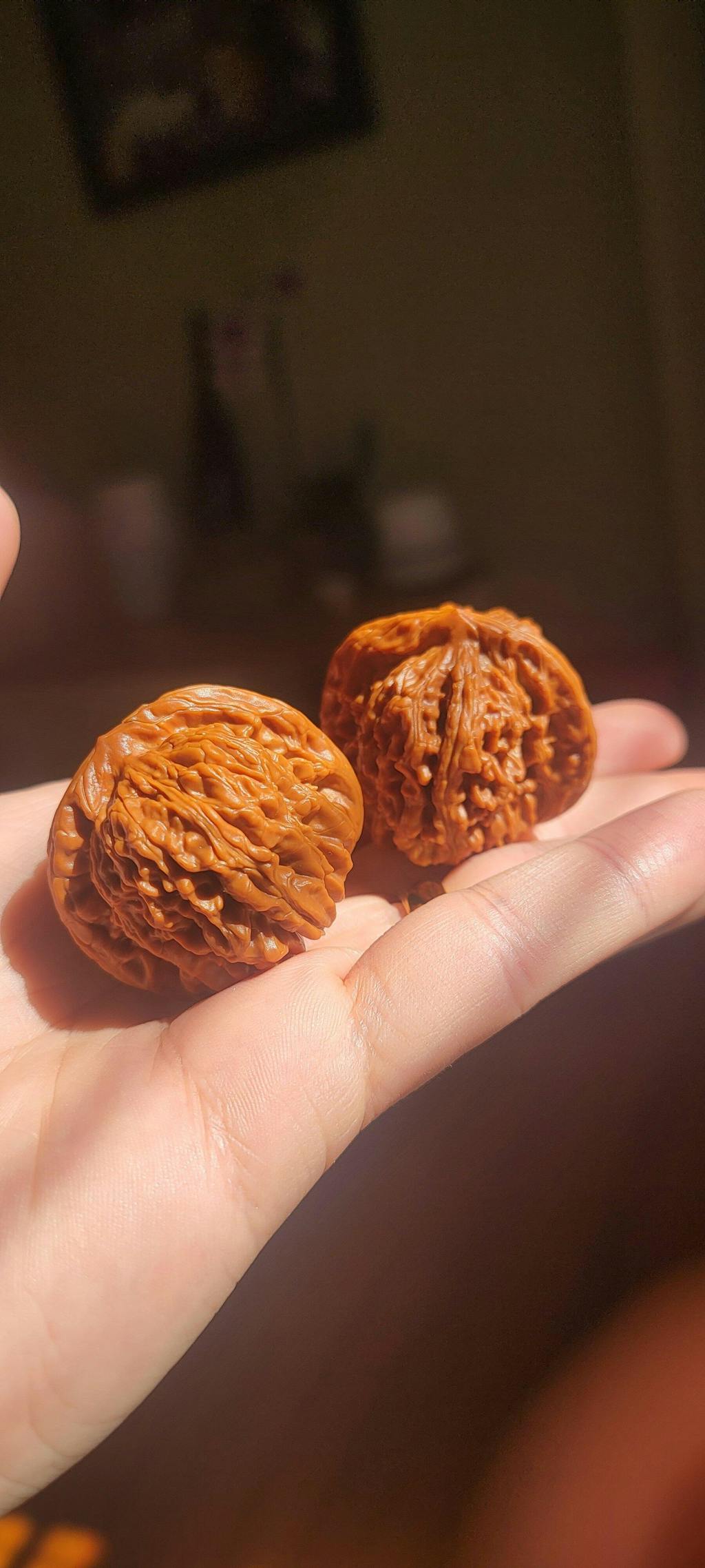
Wenwan walnuts, such as Lion Head or Official Hat types, are a classic collectible. These hand-played nuts gradually develop smooth surfaces and rich colors, reflecting years of use and careful handling. The tactile experience of rolling walnuts in the hand is considered both meditative and rewarding.
Why they are popular in 2025:
Wenwan walnuts are highly sought after not only for their unique beauty, but also for the cultural heritage and artistry they carry. Collectors value the rich history behind them, the joy of nurturing a natural patina through daily handling, and the rarity of perfectly matched pairs, which makes them both a treasured pastime and a meaningful collectible.
Tips for collectors:
-
Select paired walnuts with matching size and weight for balance.
-
Handle gently and store in a dry, clean environment to avoid cracks.
-
Observe the natural aging process—patience enhances their beauty.

3. Olive Pit Beads
Olive pit beads are carved from small olive seeds, often featuring intricate designs such as landscapes, deities, or mythical animals. These tiny works of art showcase exquisite craftsmanship, often requiring hours of meticulous carving.
Why they are popular in 2025:
The delicate artistry and cultural depth of olive pit beads attract collectors who value craftsmanship and tradition. Each bead is a miniature masterpiece, offering both aesthetic enjoyment and a tactile meditation practice.
Tips for collectors:
-
Handle with care to protect the delicate carvings.
-
Avoid water and extreme temperature changes.
-
Use gloves or clean hands during rolling to preserve the carvings and color.
4. Corn Ornaments
Shaped like corn kernels, these playful ornaments are ideal for beginners and casual collectors. With frequent handling, the ornaments gradually become golden and smooth, enhancing both tactile pleasure and visual appeal.
Why they are popular in 2025: Their approachable size, affordability, and playful aesthetic attract younger collectors. Corn ornaments offer an easy introduction to Wenwan without the investment required for high-end materials.
Tips for collectors: Roll ornaments daily to develop a smooth patina. Store in a dry place to prevent cracking. Observe gradual color changes as part of the enjoyment.

5. 108 Mala Beads
108 Mala Beads are deeply connected to Buddhist and yogic traditions, symbolizing mindfulness, prayer, and meditation. Traditionally used for mantra recitation, these beads also serve as wearable reminders of spiritual intention. Crafted from a variety of natural materials—such as sandalwood, bodhi seeds, or gemstones—each mala carries unique energy and meaning.
Why it is popular in 2025:
With the rise of meditation, yoga, and mindful living, 108 Mala Beads remain highly sought after by both spiritual practitioners and lifestyle enthusiasts. Their versatility—as prayer tools, meditation aids, or meaningful accessories—makes them a timeless choice.
Tips for collectors:
-
Choose malas made from natural, high-quality materials for authenticity.
-
Handle with clean hands and store in a cloth bag to maintain energy.
-
Use during meditation to cultivate a deeper sense of calm and focus.
6. Red Sandalwood Bracelet
Red Sandalwood, known as Xiaoye Zitan in Chinese, is one of the most treasured hardwoods in Wenwan culture. Valued for its deep reddish-brown hue and subtle fragrance, a Red Sandalwood Bracelet is both an elegant ornament and a symbol of status and refinement. Over time, its surface develops a natural luster, making each piece unique.
Why it is popular in 2025:
Collectors admire Red Sandalwood Bracelets for their cultural heritage, rarity, and collectible value. As a Wenwan classic, they represent not only beauty but also patience and dedication, since the slow process of nurturing patina brings joy to long-term collectors.
Tips for collectors:
-
Wear regularly to encourage natural polish and patina formation.
-
Keep away from water and chemicals to protect the wood’s surface.
-
Store in a dry, ventilated space to avoid cracks or warping.
Personal Reflection: Why Wenwan Matters Today
In today’s world, whether in the East or West, life, social, and mental pressures are growing rapidly. Objects like fidget toys, and especially Wenwan, have taken on new significance. The shape, color, or sound of what you hold is secondary—the true value lies in the heart and intention behind it.
Wenwan never rejects a heart that loves life. This is why enthusiasts often maintain a hopeful outlook: like a set of Wenwan walnuts, initially dull in color, gradually they transform into rich, smooth, and beautiful objects through repeated handling and care. Wenwan teaches patience, care, and the rewards of consistency—lessons that extend beyond the objects themselves.
This personal perspective highlights why so many people are drawn to Wenwan today: it is a tangible connection to mindfulness, hope, and the simple joys of life.

How Wenwan Fits Into Modern Life
Today, Wenwan has transcended its traditional role. Many people use Bodhi beads or walnuts as stress-relief tools, similar to meditation. Rolling beads provides a tactile focus that can reduce anxiety and improve mindfulness.
Wenwan also serves as a form of personal expression. Enthusiasts integrate beads into modern fashion, pairing bracelets with watches or mixing jadeite with contemporary outfits. Social media has amplified this trend, allowing collectors to share patina progress, crafting techniques, and curated displays with a global audience.
Additionally, Wenwan makes for meaningful gifts, carrying cultural and spiritual significance. Bodhi Bead Bracelets symbolize mindfulness and personal growth, Wenwan Walnuts carry cultural heritage and the joy of tactile practice, and Red Sandalwood Bead Bracelets represent patience, refinement, and lasting beauty. Giving Wenwan is both aesthetic and thoughtful.
Tips for Beginners in Wenwan Collecting
1.Start with beginner-friendly materials
Begin with pieces that are durable and easy to handle, such as Bodhi Bead Bracelets, Corn Ornaments, or smaller Wenwan Walnuts. These materials are less prone to cracking or damage, allowing you to focus on developing your handling skills without frustration.
2.Develop a consistent handling routine
Wenwan is all about the tactile experience. Roll your beads, walnuts, or olive pits in your hands daily to gradually bring out the natural luster and patina. Be gentle, and avoid exposing them to water, harsh chemicals, or extreme sunlight, which can damage the surface or affect aging.
3.Observe and learn about each material
Take time to notice differences in texture, weight, and aroma. For example, Bodhi Bead Bracelets feel slightly rough at first, Red Sandalwood Bead Bracelets may have a subtle fragrance, and 108 Mala Beads offer smooth, calming surfaces ideal for meditation. Understanding these nuances deepens your appreciation and helps you recognize quality pieces.
4.Be patient and enjoy the process
The beauty of Wenwan comes with time. Don’t rush for instant results—part of the joy is watching your collection slowly develop character and shine through regular use. Treat it as a mindful hobby rather than a goal-oriented task.
5.Experiment and mix materials
Once comfortable, explore other materials like Olive Pit Beads, 108 Mala Beads, or Red Sandalwood Bead Bracelets. Try combining them in different ways, either for aesthetic appeal or spiritual balance. Each type of bead, nut, or ornament offers a unique tactile journey, enhancing both your skill and enjoyment.
6.Engage with the Wenwan community
Join online forums or local collectors’ groups to exchange tips, ask questions, and share your progress,such as Wenwan Subreddit. Observing how experienced players care for and display their pieces can provide invaluable insight for beginners.

Final Thoughts
Wenwan transcends mere collectibles, blending art, culture, and mindfulness. From Bodhi Bead Bracelets and Wenwan Walnuts to Olive Pit Beads, Corn Ornaments, 108 Mala Beads, and Red Sandalwood Bead Bracelets, each piece offers tactile meditation, personal expression, and spiritual symbolism. Whether a beginner or seasoned collector, Wenwan connects tradition with modern life, teaching patience, care, and the joy of mindful living.
FAQs
1. How do I choose my first Wenwan piece?
Start with a material that feels comfortable in your hand and appeals visually. Size, weight, and smoothness matter more than rarity or price for beginners.
2. Can Wenwan pieces lose value over time?
Yes, if poorly cared for. Proper handling, cleaning, and storage maintain both appearance and collectible value.
3. Do Wenwan beads require special cleaning?
Avoid harsh chemicals. Gentle wiping or hand-rolling to build natural patina is preferred.
4. Are Wenwan collectibles suitable for meditation?
Absolutely. Many people use tactile handling to focus, calm the mind, and enhance mindfulness practices.
5. Where can I buy authentic Wenwan pieces?
Reputable dealers, certified online stores, or artisan markets are best—brands like BUDDHA3BODHI also provide curated authentic selections.
Related articles:
What Is Wenwan? A Guide to Chinese Handheld Treasures
A Beginner’s Guide to Wenwan Walnuts: History, Meaning, and How to Choose a Pair
Wenwan Walnuts Explained: Origins, Benefits & Tips for First-Time Collectors