

Rudraksha Beads: Origin, Types, Benefits, and Spiritual Significance
Introduction
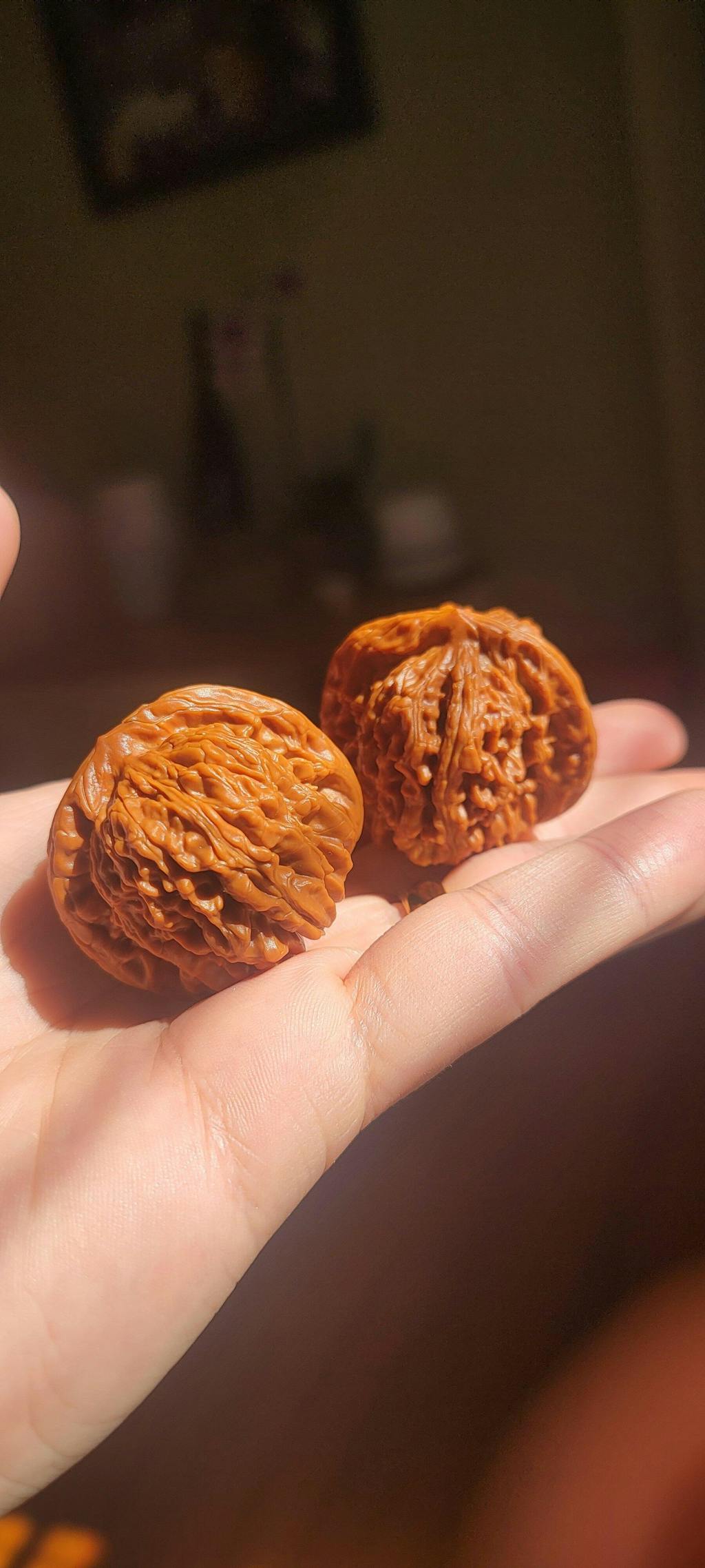
Rudraksha beads are sacred seeds that come from the fruit of the Rudraksha tree (Elaeocarpus ganitrus), revered in Hinduism, Buddhism, and other spiritual traditions. For centuries, they have been used as prayer beads, known as Rudraksha mala beads, to aid in meditation, mantra chanting, and spiritual growth. Each bead is naturally divided into segments called “mukhi” or “faces,” which determine its type and spiritual properties.
Origin of Rudraksha Beads
The Rudraksha tree grows mainly in the Himalayan region, especially in Nepal, Indonesia, and parts of India. According to ancient legend, the beads were formed from the tears of Lord Shiva. The Sanskrit word “Rudraksha” is a combination of Rudra (Shiva) and Aksha (eye/tears).
The seeds are harvested from ripe fruits, cleaned, and dried before being used in malas or worn as individual beads. Nepalese Rudraksha beads are usually larger (20–35 mm) and have more defined faces, while Indonesian beads are smaller (5–25 mm) and smoother.
Meaning and Symbolism
Rudraksha beads are believed to hold divine energy and vibrational power. Each mukhi is associated with a particular deity and astrological planet, making the beads a bridge between spiritual practice and planetary influence. They are worn for protection, spiritual awakening, and energy balancing.
More insights in the full article: The Spiritual Power of Rudraksha Beads: Meaning, Benefits, and Uses

Types of Rudraksha Beads by Faces (Mukhi)
A Rudraksha bead’s “mukhi” refers to the number of natural divisions or lines on its surface. While most beads range from 1 to 21 faces, rare specimens with up to 26–27 faces have been found. The table below lists the most common types:
| Mukhi (Faces) | Associated Deity | Planet | Significance |
|---|---|---|---|
| 1 | Lord Shiva | Sun | Ultimate spiritual enlightenment |
| 2 | Ardhanarishvara | Moon | Harmony in relationships |
| 3 | Agni (Fire God) | Mars | Courage and energy |
| 4 | Brahma | Mercury | Creativity and knowledge |
| 5 | Lord Hanuman | Jupiter | Protection and mental clarity |
| 6 | Kartikeya | Venus | Attracts love and success |
| 7 | Goddess Lakshmi | Saturn | Wealth and prosperity |
| 8 | Ganesha | Rahu | Removes obstacles |
| 9 | Durga | Ketu | Power and fearlessness |
| 10 | Vishnu | None | Spiritual protection |
| 11 | Rudra | — | For renunciants and deep meditation |
| 12–21 | Various deities | Various | Rare, highly specialized energies |

Benefits of Wearing Rudraksha Beads:
Spiritual Benefits
- Enhances concentration during meditation.
- Protects against negative energies.
- Deepens connection with divine consciousness.
Health Benefits
- Traditionally believed to help regulate blood pressure.
- Reduces stress and promotes calmness.
- Improves focus and mental clarity.
Astrological Benefits
- Balances planetary influences based on the mukhi type.
- Strengthens positive planetary effects while reducing malefic ones.

How to Use Rudraksha Mala Beads?
A traditional Rudraksha mala is made up of 108 beads plus 1 guru bead (the central bead that marks the start and end of a cycle). It serves as both a spiritual tool for mantra meditation (japa) and a sacred ornament worn for protection and energy alignment.
Using a Rudraksha Mala for Meditation
Sit in a calm environment – Choose a quiet space, ideally facing east during sunrise or north for meditation.
Hold the mala correctly – Use your right hand, draping the mala over your middle finger. Avoid using the index finger, as it represents ego.
Start at the bead next to the guru bead – The guru bead is not counted; instead, it acts as a sacred marker.
Chant your chosen mantra – With each bead, repeat the mantra once, pulling the next bead towards you using your thumb.
Complete 108 repetitions – When you reach the guru bead again, reverse direction instead of crossing over it.
Recommended mantras – "Om Namah Shivaya" for spiritual growth, "Om Hreem Namah" for healing, or specific mantras given by your guru.
Wearing Guidelines
Direct contact with skin – Wearing the mala so it touches your skin ensures continuous energy transmission.
Choose the right length – Neck malas (54 or 108 beads) are good for daily wear; wrist malas (27 or 36 beads) are suitable for travel or discreet use.
Time of wearing – Mornings during sunrise are considered the most auspicious.
Avoid certain situations – Remove the mala before sleeping, bathing, or during intimate moments to maintain its sanctity.
Energizing the mala – Periodically recite mantras into the mala to recharge its spiritual energy.

Conclusion
Rudraksha beads are more than just sacred ornaments—they are spiritual tools with deep historical, religious, and astrological importance. Whether used in a Rudraksha mala bead for chanting or worn as a single bead, they serve as powerful aids for meditation, protection, and energy balancing. By choosing the right type, you can align with specific deities and planetary influences, enhancing both spiritual and physical well-being. Explore our collection today and find your perfect 108 Rudraksha mala bead.
FAQs:
1. What is the rarest Rudraksha bead?
The single-faced (Ekamukhi) Rudraksha is considered the rarest.
2. Can anyone wear Rudraksha beads?
Yes, people of all religions and backgrounds can wear them.
3. Which Rudraksha is best for meditation?
Five-faced beads are widely used for meditation and spiritual growth.
4. How many Rudraksha beads should be in a mala?
Traditionally, 108 beads plus 1 guru bead.
5. Do Rudraksha beads work without mantra chanting?
Yes, they still carry vibrational energy, but chanting enhances their effect.
6. Can Rudraksha beads be worn while sleeping or bathing?
It’s generally recommended to remove them during sleep or bathing to protect them.
Related Articles:
Beginner’s Guide to Using and Caring for Wenwan Rudraksha Mala Beads