

How To Identify Fake Wenwan Walnuts: A Complete Guide
Introduction
Wenwan walnuts, cherished by collectors and enthusiasts alike, are more than just hand-held objects—they are a blend of history, culture, and craftsmanship. However, as their popularity has grown, so has the presence of fake Wenwan walnuts in the market. Distinguishing real from fake walnuts is essential for collectors who want to preserve the authenticity and value of their collection.
In this guide, we will explore how to identify fake Wenwan walnuts, provide practical tips, and offer expert advice to help you confidently purchase authentic walnuts. Whether you are a beginner or an experienced collector, understanding the key signs of authenticity will save you time, money, and frustration.

Understanding Wenwan Walnuts
The Wenwan walnut, also known as the “hand therapy walnut,” was elegantly referred to as “palm pearls” in ancient times. Originating during the Han and Sui dynasties, it gained popularity in the Tang and Song dynasties and flourished during the Ming and Qing periods. Throughout more than two thousand years of history, this unique cultural tradition has endured and evolved into the distinctive Chinese art of Wenwan walnut appreciation. Today, Wenwan walnuts have moved beyond their aristocratic roots and become cherished collectibles enjoyed by people from all walks of life.
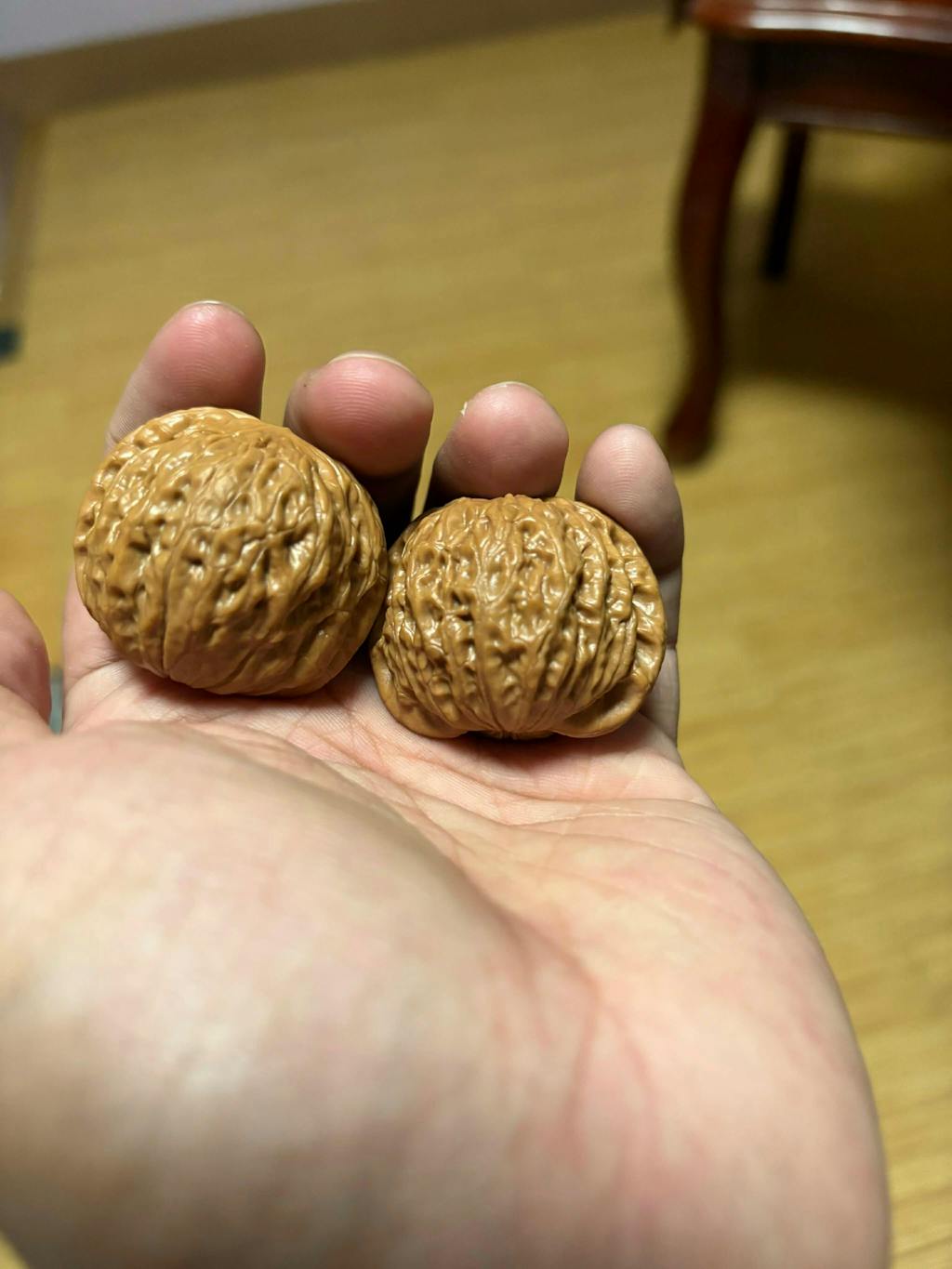
Authentic Wenwan walnuts are distinguished by their weight, texture, and natural coloring. They are not overly polished or artificially altered, and they develop a deep, lustrous patina over time as they are gently rolled and handled. Collectors often seek walnuts with distinctive textures and irregularities, which indicate genuine growth patterns and natural aging.
Understanding these characteristics is crucial because many counterfeit walnuts are designed to imitate the appearance of aged or rare types, often using chemical treatments or artificial polishing to mimic a rich color or shine.

Common Signs of Fake Wenwan Walnuts
Spotting fake Wenwan walnuts can be challenging, but there are several telltale signs to watch for:
1. Appearance
-
Color and pattern: Fake walnuts often lack the subtle variations of natural color walnuts, showing an unnatural uniform color. Overly bright or even coloring can be a red flag.
-
Symmetry: Many counterfeit walnuts are artificially carved or machine-made, resulting in unnaturally perfect symmetry. Natural walnuts are rarely perfectly uniform.
2. Surface and Texture
-
Over-polished surfaces: While real walnuts develop a soft sheen over time, fake ones may appear glossy due to chemical polishing.
-
Texture feel: Genuine Wenwan walnuts feel solid and slightly rough in the grooves, whereas fakes may feel too smooth or lightweight.
3. Weight and Density
-
Real Wenwan walnuts have a satisfying heft due to their dense wood structure. Lightweight walnuts often indicate hollowing, resin filling, or imitation materials.
4. Sound Test
-
When gently tapped together, real walnuts produce a clear, resonant sound, while fake ones often sound dull or muted due to inferior materials.
By observing these characteristics, collectors can quickly identify walnuts that warrant further inspection before purchase.

Methods To Test Wenwan Walnuts
Beyond visual inspection, there are practical tests you can perform to check the authenticity of Wenwan walnuts:
1. Visual Inspection
Examine the walnut closely under natural light. Look for natural grooves, irregularities, and subtle color variations. Check for signs of artificial carving, chemical treatment, or coating.
2. Touch and Feel
Hold the walnuts in your hand and gently roll them. Real walnuts feel balanced, dense, and slightly textured. Fakes may feel lightweight, hollow, or unnaturally smooth.
3. Sound Test
Tap two walnuts together softly. Real walnuts produce a distinct, crisp sound. Counterfeit walnuts usually lack resonance, which is a clear indicator of synthetic materials or hollowing.
4. Expert Methods
Experienced collectors sometimes perform more advanced tests, such as soaking the walnut briefly in water to check absorption patterns or analyzing surface microstructures under magnification. These methods are optional for beginners but can help confirm authenticity in high-value pieces.

Five Common Scams in Wenwan Walnut Market
-
Fake Walnuts Passed as Real
Tip: Choose natural walnuts, as their patterns vary in depth and texture. Fake walnuts usually have rigid, overly symmetrical patterns and are often made from resin or plastic. They look unnatural and lack the weight of real walnuts. -
Product Not as Described
Tip: Check six-sided photos to see if the pair matches, paying attention to pattern alignment and edge height symmetry. Be cautious of misleading promotional images. Measure the size with calipers, and watch out for blurred backgrounds or overexposed photos, which may exaggerate the walnut’s appearance. -
The Story Costs More Than the Walnut
Tip: A good story doesn’t guarantee quality. Avoid wild walnuts, as they are rare, have thicker shells, and may not be worth the price. -
“Artificial Aging” with Chemicals
Tip: Walnuts develop a natural patina over time, which is a gift of aging. Quick chemical treatments using dyes or solutions may damage the walnut and could be harmful with prolonged contact. Patience is key; rushing for instant color can lead to loss of both money and quality. -
Hyped Rare Varieties
Tip: Stick to classic collectible walnut varieties like “Lion Head” or “Four Pillars.” Beware of newly coined or obscure names, as these may be hard to resell. Beginners are often targeted by sellers promoting these rare-sounding but impractical walnuts.

Buying Tips To Avoid Fake Walnuts
Even with knowledge, purchasing Wenwan walnuts safely requires caution. Here are some practical tips to avoid fake walnuts:
-
Choose reputable sellers: Purchase from trusted sources or certified stores like BUDDHA3BODHI, known for quality and good reviews. Avoid buying from unknown online sellers offering unusually low prices.
-
Ask for detailed information: Genuine sellers often provide walnut type, origin, and history. Lack of transparency is a red flag.
-
Compare prices: Extremely cheap walnuts are often too good to be true. Compare with market rates for similar quality and age.
-
Request inspection or guarantees: Some sellers allow buyers to check walnuts in person or offer return policies, adding a layer of security for collectors.
Following these guidelines reduces the risk of accidentally purchasing counterfeit walnuts and ensures your collection remains authentic.

Conclusion
Authenticity is the cornerstone of a valuable Wenwan walnut collection. By understanding the characteristics of real walnuts, recognizing common signs of fakes, and following expert purchasing tips, collectors can confidently avoid counterfeit pieces. Remember, genuine Wenwan walnuts offer not only aesthetic beauty but also the tactile pleasure of centuries-old craftsmanship.
Whether you are new to collecting or an experienced enthusiast, take your time to observe, touch, and test every walnut before adding it to your collection. Doing so ensures your Wenwan walnuts remain authentic, valuable, and a true joy to handle for years to come.
FAQs
1.How long does it take for Wenwan walnuts to develop a natural patina?
Usually several months of regular handling, depending on walnut type and frequency of use.
2.Can Wenwan walnuts improve hand dexterity or circulation?
Yes, gently rolling walnuts in the palm can help stimulate fingers and improve blood flow.
3.Are all Wenwan walnuts suitable for long-term collecting?
No, only naturally grown, dense walnuts with stable patterns are ideal for long-term collections.
4.Can exposure to sunlight damage Wenwan walnuts?
Prolonged direct sunlight can dry out or fade walnuts; store them in a shaded, dry place.
5.How should I clean my Wenwan walnuts without harming them?
Use a soft, dry cloth; avoid water, chemicals, or abrasive materials to maintain texture and patina.
Related articles:
A Beginner’s Guide to Wenwan Walnuts: History, Meaning, and How to Choose a Pair
Wenwan Walnuts Explained: Origins, Benefits & Tips for First-Time Collectors
What Makes Wenwan Walnuts So Valuable to Collect and Play
Wenwan Walnut Polishing Guide: How to Get the Perfect Red Patina