

Discover the Beauty and Benefits of Agarwood: From Bracelets to Incense and Carvings
1. Introduction
Agarwood, known as the "King of Fragrances," has held a unique place in human life and culture for centuries. It is not only a precious incense material but also a cultural symbol and an expression of refined lifestyle. From imperial collections to scholarly pursuits of scent appreciation, agarwood has long brought serenity, elegance, and spiritual satisfaction. In today’s fast-paced world, agarwood has once again become a cherished choice for those seeking quality and inner calm.

2. What is Agarwood
Agarwood, also known as aloeswood, is a rare and precious wood that forms when Aquilaria trees produce resin over many years in response to injury. The formation process begins when the tree suffers from insect damage, mechanical wounds, lightning strikes, or other injuries, which allow fungi to enter. In response, the tree secretes resin, which gradually accumulates in the wood. Over time, through the long-term interaction between the tree, fungi, and favorable environmental conditions such as temperature, humidity, and soil, aromatic resin develops. This natural process can take several years or even decades, making high-resin agarwood extremely rare.
The resin-enriched wood is dense and deeply colored, and its fragrance depends on resin content and wood structure. Agarwood with higher resin content produces a stronger, longer-lasting scent. Its aroma is complex and layered: initially subtly sweet and fresh, then cool and calming, followed by warm and mellow notes, leaving a soft, lingering fragrance. This natural agarwood fragrance not only soothes the mind but also stimulates the senses, offering subtle psychological and physical benefits.
After years of natural resin accumulation and environmental influence, the resin-rich agarwood is carefully harvested and processed, eventually becoming precious products available on the market, such as jewelry and incense, carrying its unique aroma and cultural significance.

3. The History and Value of Agarwood
Agarwood has been used in China for over a thousand years and is recognized as one of the four most precious incense materials, alongside sandalwood, ambergris, and musk. Originally used to scent clothes and bedding and for ritual offerings, it became closely tied to Buddhism and Daoism, reaching cultural prominence during the Tang and Song dynasties. By the Ming and Qing periods, agarwood was highly prized by the imperial court and scholars, while still gradually entering ordinary households.
Even today, agarwood remains a symbol of status and refinement. Collectors say, “Rosewood is sold by the ton, huanghuali by the kilo, agarwood by the gram.” In Japan, the Middle East, and beyond, it continues to fetch record-breaking prices at auctions, proving that agarwood is more than an incense—it is a cultural treasure.

4. Why People are Drawn to Agarwood
The allure of agarwood extends beyond rarity and fragrance; it lies in its physical, mental, and aesthetic benefits.
Aromatherapy and Soothing Effects
The gentle and refined aroma of agarwood can calm emotions and relieve stress, providing moments of tranquility in a hectic life. Whether burning agarwood incense or wearing agarwood accessories, its scent unfolds in layers: first sweet and light, then cool and refreshing, followed by warm and mellow notes. This lingering natural aroma makes agarwood ideal for meditation, creating a peaceful environment for study, tea rituals, or mindful practices. Using agarwood for meditation can enhance focus and deepen relaxation, making it a perfect companion for daily mindfulness routines.
Health and Acupoint Benefits
Wearing an agarwood bracelet allows subtle stimulation of wrist acupoints such as Shenmen, Daling, Taiyuan, and Yanggu. Over time, this may promote calmness, balance energy, enhance circulation, and improve complexion. The fragrance, entering through the senses, is also said to aid digestion, reduce bloating, support metabolism, and contribute to overall well-being and skin vitality. For those interested in natural wellness, agarwood’s therapeutic fragrance provides gentle health benefits without relying on artificial products.
Cultural and Ritual Significance
Agarwood is not just a fragrance or accessory—it is an extension of life’s rituals. Bracelets, pendants, and earrings carry scent with you, while incense and carvings elevate the home environment with subtle elegance. Agarwood satisfies a combined need for sensory pleasure, spiritual nourishment, and aesthetic enjoyment. Its presence in daily life—whether through wearing a natural agarwood bracelet or lighting agarwood incense at home—creates a sense of refined ritual and tranquility, cherished through the centuries.

5. Agarwood Jewelry: Bracelets, Pendants, and Earrings
Agarwood jewelry integrates this precious wood into everyday wear, allowing fragrance to accompany you while offering both aesthetic and wellness benefits.
Bracelets
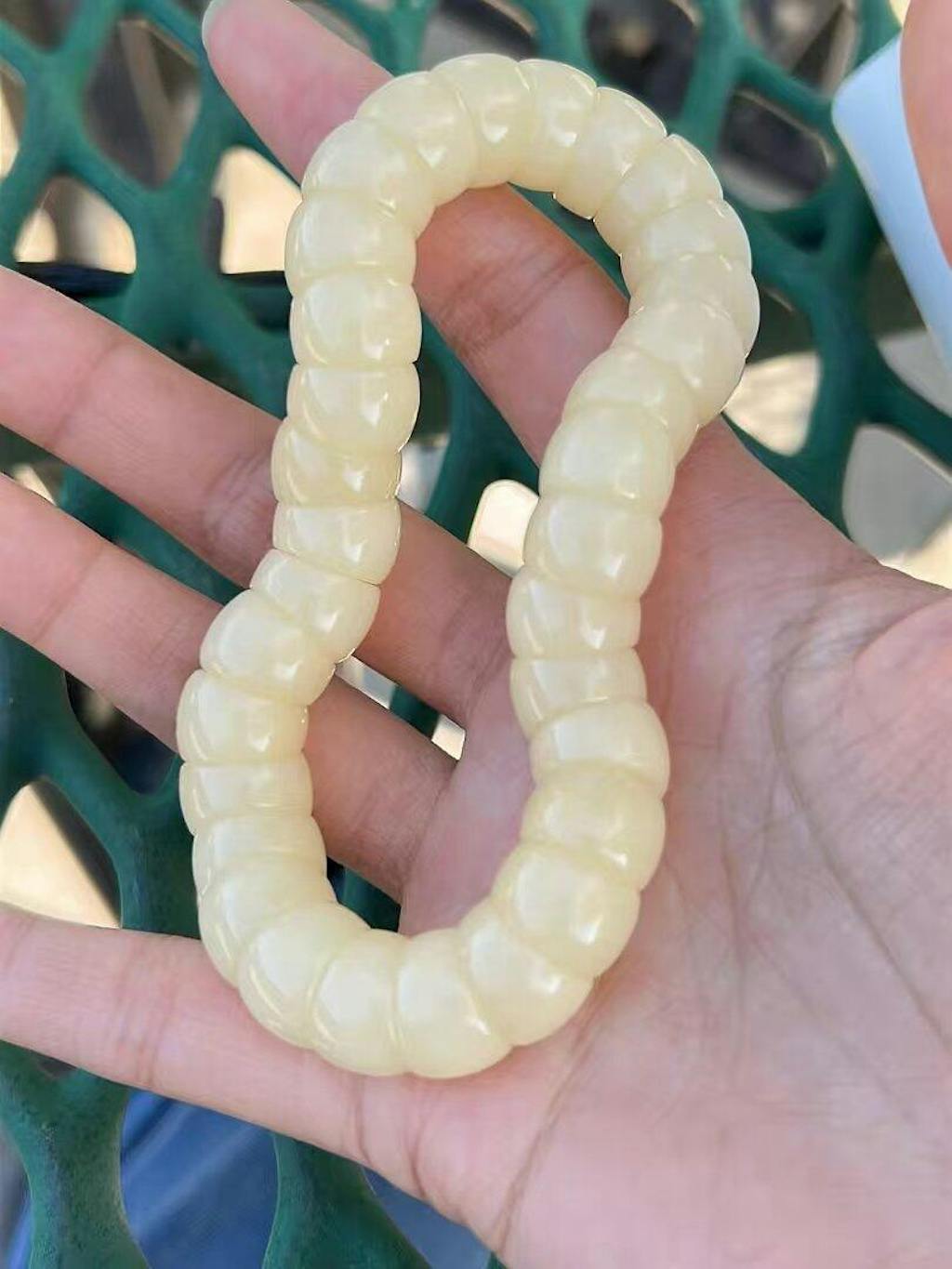
Agarwood bracelets are made from smooth, polished beads, each with its own natural grain and color. The gentle friction of the beads against the wrist releases a soft, warm fragrance that soothes the mind and stimulates acupoints, potentially promoting calmness, energy balance, and improved vitality. Over time, the surface of the beads develops a natural luster, enhancing both texture and fragrance.
Pendants
Agarwood pendants rest close to the chest, allowing the fragrance to envelop the wearer. Designs range from simple round shapes and Buddhist motifs to abstract forms, providing understated elegance while subtly influencing mood and enhancing personal aura.
Earrings
Lightweight and delicate, agarwood earrings diffuse fragrance around the face. Often paired with pearls, Hetian jade, jadeite, red agate, or turquoise, they are designed to create elegant, unique styles. The movement of the earrings disperses scent subtly, adding depth and refinement to one’s appearance while offering a gentle sensory experience.
Daily Care of Agarwood Jewelry
Avoid contact with shampoos, skincare products, or perfumes, as chemical substances can diminish fragrance. Lightly wipe with a damp cloth for minor dirt, and allow to air dry. Over time, the natural patina forms on the surface, intensifying both texture and scent of bracelets, pendants, and earrings.

6. Agarwood Incense and Carvings
Beyond jewelry, agarwood is also crafted into incense and carved artworks to enhance home ambiance and lifestyle aesthetics.
Incense
Incense comes in many forms—sticks, coils, and pellets—each releasing multi-layered fragrances: initially sweet, then cool, followed by warm tones, and finally a soft lingering aroma. Lighting agarwood incense instantly transforms a room into a calm retreat, suitable for study, meditation, tea rituals, or relaxation. Proper airtight storage maintains the fragrance for extended periods.
Carvings
Agarwood carvings are both artistic and decorative. Each piece has unique grain patterns and resin veins, and carvings may depict Buddha statues, mythical creatures, or abstract designs. These pieces not only enhance interior aesthetics but also emit a subtle fragrance that enriches the surrounding environment with a sense of tranquility and culture.

7. Agarwood and Spiritual Well-being
The appeal of agarwood lies not only in its physical forms but also in the spiritual and mental experience it offers. In a fast-paced modern life, agarwood serves as a companion for mindfulness and relaxation. Reading, meditating, or simply sitting in a tea room while inhaling the gentle aroma cultivates focus, calm, and serenity.
Wearing agarwood jewelry or displaying incense and carvings is less about display and more about cultivating ritual and tranquility. Each touch of a bracelet, each inhalation of the fragrance, is a moment of connection with oneself, allowing this ancient treasure to maintain its timeless presence in modern life.

Conclusion
Agarwood embodies historical culture, sensory delight, wellness benefits, and lifestyle elegance. Whether as bracelets, pendants, earrings, incense, or carved art, it enriches modern life with serenity, refinement, and subtle luxury. Its quiet, enduring fragrance and warm texture provide not only aesthetic pleasure but also spiritual nourishment, making daily life more graceful and mindful.
FAQs:
1.How can I tell if agarwood jewelry is authentic?
Genuine agarwood has a natural, layered fragrance and a slightly rough, resin-rich texture. Its scent strengthens with wear over time.
2.Can agarwood fragrance last on clothing or in a room?
Yes. Agarwood’s natural aroma can subtly linger on fabrics or in well-ventilated spaces for hours to days.
3.Are there different grades of agarwood?
Yes. Grades depend on resin content, wood density, color, and aroma complexity. Higher resin content generally means stronger scent and higher value.
4.Is agarwood safe for daily wear or meditation?
Yes. Agarwood is natural and non-toxic. Its gentle scent is suitable for meditation, study, or everyday wear.
5.How should I store agarwood jewelry and incense?
Keep in airtight containers, away from direct sunlight, perfumes, or chemicals to preserve fragrance and prevent damage.
6.Can agarwood jewelry be worn during exercise or bathing?
Avoid water, sweat, and chemicals. Remove jewelry during bathing or heavy exercise to maintain fragrance and wood quality.
7.Does agarwood have different scents based on origin?
Yes. Factors like tree species, climate, soil, and resin age create subtle differences in aroma and intensity.
8.Are agarwood carvings purely decorative or functional?
Both. They serve as art pieces while slowly releasing fragrance, enhancing home ambiance and mindfulness practices.
Related articles:
Sandalwood vs. Agarwood: What’s the Difference?
Type of Incense and Their Uses